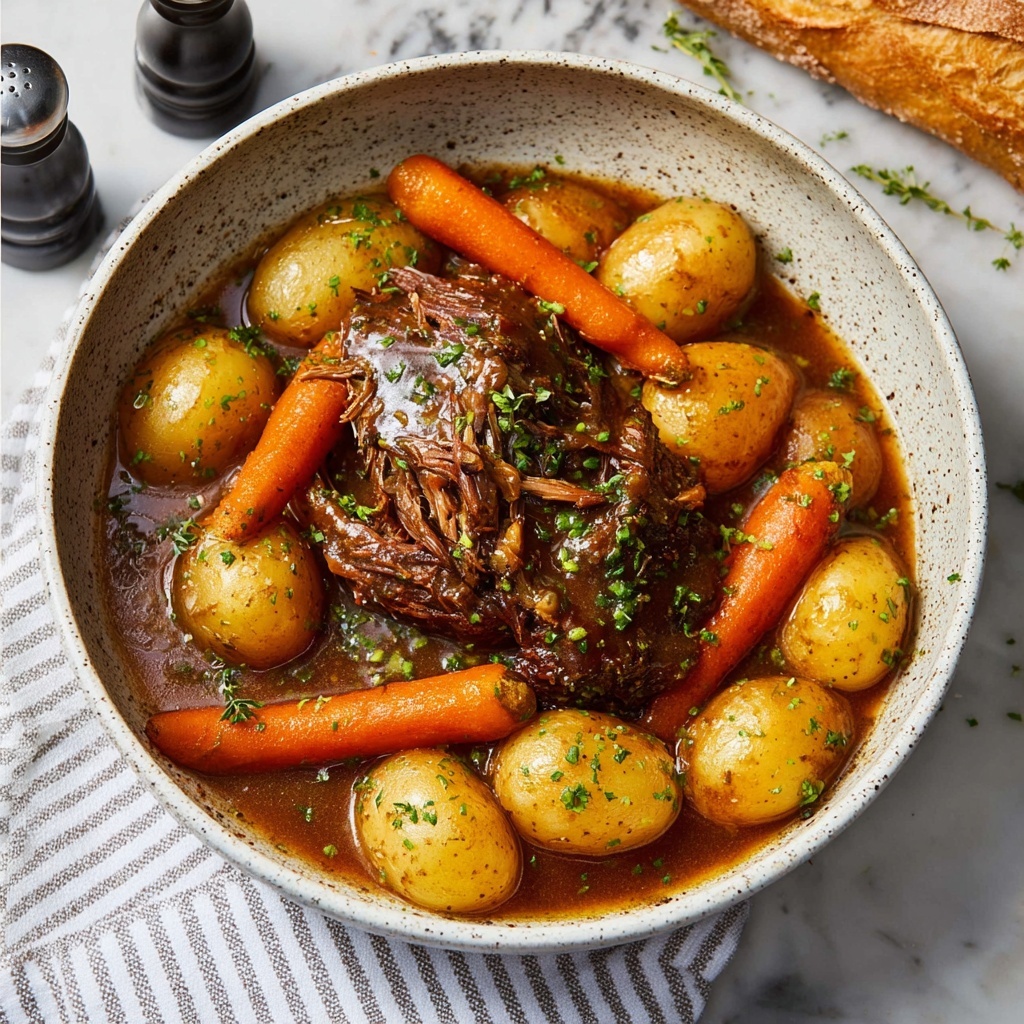
If you are craving a comforting, hearty meal that warms the soul and impresses every time, this Perfect Pot Roast with Vegetables and Red Wine Recipe is exactly what you need. Tender, melt-in-your-mouth beef slow-cooked to perfection in a rich red wine and aromatic herb sauce, accompanied by perfectly cooked baby potatoes, carrots, and celery, makes this dish a timeless classic. It’s the ideal meal for gatherings, cozy family dinners, or whenever you want to fill your home with the unforgettable aroma of a slow-cooked feast.
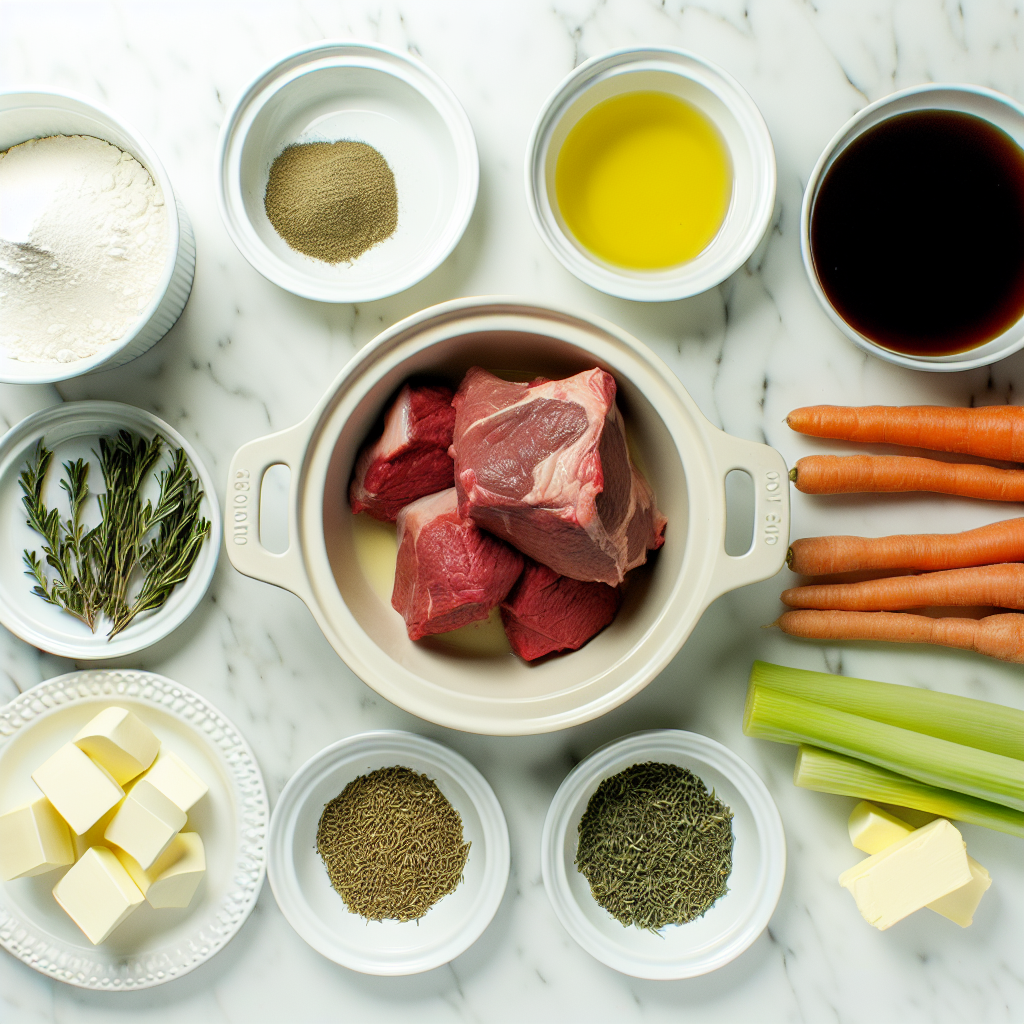
Ingredients You’ll Need
The beauty of this recipe lies in its simplicity and the harmony of its ingredients. Each element plays a crucial role in building deep layers of flavor, ensuring the pot roast is juicy and tender while the vegetables soak up all those delicious juices.
- Olive oil: Provides a flavorful base for searing the roast to develop a enticing crust.
- Chuck roast (3 to 4 pounds): The star cut that becomes wonderfully tender and flavorful after slow cooking.
- Yellow onion: Adds aromatic sweetness and a bit of texture around the meat.
- Beef broth (2 cups): Supplies the savory, meaty base that keeps everything moist and rich.
- Red wine (1 cup): Infuses deep complexity and tangy warmth to the sauce—choose a good-quality dry wine.
- Garlic cloves (4): Coarsely chopped for bursts of fragrant, pungent flavor throughout the dish.
- Dried rosemary and thyme (½ teaspoon each): Classic herbs that add earthiness and balance the red wine perfectly.
- Bay leaf: A subtle, woody note that rounds out the herbaceous profile.
- Baby potatoes (1 pound): Creamy and tender, they soak up all the savory juices for a hearty side all on their own.
- Carrots (4): Sweet and vibrant, cut into chunks to hold their shape and texture.
- Celery (2 ribs): Adds a gentle crunch and freshness to brighten the dish.
- All-purpose flour or cornstarch: Optional, for thickening the pan juices into a luscious gravy.
- Butter: For enriching the gravy with a silky finish, if you decide to make it.
How to Make Perfect Pot Roast with Vegetables and Red Wine Recipe
Step 1: Preheat and Prepare
Start by heating your oven to 300°F. This gentle heat allows the roast to cook slowly, breaking down tough fibers into tender perfection while melding all the flavors.
Step 2: Season and Sear
Generously season your chuck roast with salt and pepper. Then heat a tablespoon of olive oil in a large Dutch oven over medium-high heat. Brown the roast for about four minutes on each side until it develops a gorgeous golden crust. This caramelization creates intense flavor and locks in the juices.
Step 3: Build the Flavor Base
Arrange the chopped onions around the browned roast. Whisk together beef broth, red wine, garlic, rosemary, and thyme, then pour the mixture over the roast. Finally, tuck in the bay leaf. This fragrant liquid bath will slowly infuse the meat and vegetables, turning them delectable.
Step 4: Slow Simmer
Bring the pot just to a simmer on the stovetop over medium-high heat. Once it lightly bubbles, cover the Dutch oven and transfer it to the oven. Let it cook for two hours, allowing the flavors to develop and the meat to soften gently.
Step 5: Add Vegetables and Continue Cooking
After two hours, add your baby potatoes, carrots, and celery to the pot. These sturdy vegetables need time to become tender while soaking up the fragrant cooking juices. Return everything to the oven and cook for an additional two hours, or until both the roast and potatoes are fork-tender.
Step 6: Finish and Serve
Remove the bay leaf and either pull the beef apart with a fork into rustic pieces or slice it neatly into thick, juicy portions. You can serve the pot roast with the flavorful pan juices, or if you prefer, thicken them with a touch of flour or cornstarch along with some butter to make a rich gravy.
How to Serve Perfect Pot Roast with Vegetables and Red Wine Recipe
Garnishes
Fresh herbs like chopped parsley or thyme sprinkled over the top add a bright pop of color and a fresh note that perfectly balances the rich sauce. A little cracked black pepper or a drizzle of good-quality olive oil can uplift the whole plate visually and flavor-wise.
Side Dishes
This pot roast shines wonderfully on its own, but pairing it with creamy mashed potatoes, buttery dinner rolls, or even a crisp green salad can round out the meal beautifully. Each side adds a different texture that complements the softness of the roast and vegetables.
Creative Ways to Present
For a rustic yet elegant presentation, serve the pot roast family-style in a large wooden board or cast iron skillet, allowing everyone to enjoy the aromas together. Or plate slices of beef made tender with the vegetables arranged artfully and drizzled with the red wine jus for a restaurant-quality touch at home.
Make Ahead and Storage
Storing Leftovers
Once cooled, transfer any leftovers to an airtight container and refrigerate. They will stay fresh for about 3 to 4 days, which means you’ll have delicious next-day meals or quick lunches on hand.
Freezing
This Perfect Pot Roast with Vegetables and Red Wine Recipe freezes beautifully. Portion the meat and vegetables separately from the cooking liquid if you like. Stored in freezer-safe bags or containers, it can last up to 3 months. Thaw overnight in the fridge before reheating.
Reheating
Gently reheat the roast and vegetables in a covered dish in the oven at 300°F to prevent drying out. Alternatively, stovetop reheating in a covered skillet over low heat with a splash of broth or juices helps maintain moisture and flavor.
FAQs
Can I use a different cut of beef for this pot roast?
Absolutely! While chuck roast is ideal for its marbling and tenderness when slow-cooked, you can also use rump roast or brisket. Just ensure the cut is suitable for low and slow cooking to get that melt-in-your-mouth texture.
What kind of red wine should I use?
A dry, full-bodied red wine like Cabernet Sauvignon, Merlot, or a red blend works wonderfully. Avoid sweet wines; they will alter the dish’s intended savory balance.
Can I make this recipe in a slow cooker?
Yes, you can adapt the recipe for a slow cooker. Sear the meat on the stovetop first, then transfer everything to the slow cooker and cook on low for 8-10 hours or until tender, adding vegetables halfway through.
Is there a way to make the gravy thicker without flour?
Definitely! You can use cornstarch diluted in cold water as a gluten-free thickener. Add it slowly to the simmering juices, stirring constantly until your desired consistency is reached.
How can I tell when the pot roast is done?
The roast is done when it is fork-tender and easily pulls apart. The internal temperature should be around 190-205°F, which ensures all the connective tissue has broken down for maximum tenderness.
Final Thoughts
If you’re searching for a meal that comforts, impresses, and satisfies deeply, don’t hesitate to try this Perfect Pot Roast with Vegetables and Red Wine Recipe. Each bite tells a story of slow-cooked love, rich flavors, and timeless tradition. I promise it will become one of your favorite go-to dishes whenever you need a culinary hug on a plate.
Print
Perfect Pot Roast with Vegetables and Red Wine Recipe
- Prep Time: 25 minutes
- Cook Time: 4 hours 10 minutes
- Total Time: 4 hours 35 minutes
- Yield: 8 to 8 servings
- Category: Main Course
- Method: Baking
- Cuisine: American
Description
This classic pot roast recipe delivers tender, flavorful beef slow-cooked to perfection with aromatic herbs, garlic, and vegetables. The chuck roast is first seared to lock in juices, then braised low and slow in a rich combination of beef broth and red wine. Baby potatoes, carrots, and celery finish cooking in the savory braising liquid, creating a comforting, hearty meal perfect for family gatherings or cozy dinners.
Ingredients
Meat and Seasoning
- 1 tablespoon olive oil
- 3 to 4 pounds chuck roast (or rump roast)
- Salt and pepper, to taste
Vegetables
- 1 large yellow onion, chopped (or two small onions)
- 1 pound baby potatoes (or chopped red potatoes)
- 4 carrots, cut into 2-inch pieces
- 2 ribs celery, cut into 1½-inch pieces
- 4 cloves garlic, coarsely chopped
Liquids and Herbs
- 2 cups beef broth (or as needed)
- 1 cup red wine (optional, see note)
- ½ teaspoon dried rosemary
- ½ teaspoon dried thyme leaves
- 1 bay leaf
Optional for Gravy
- All-purpose flour or cornstarch
- Butter (for roux-based gravy)
Instructions
- Preheat the oven. Set your oven to 300°F to ensure it reaches the right temperature for slow braising the pot roast evenly and thoroughly.
- Season the roast. Generously season your 3 to 4-pound chuck roast with salt and pepper on all sides to enhance flavor before searing.
- Sear the roast. Heat 1 tablespoon of olive oil in a large Dutch oven over medium-high heat. Brown the roast on all sides, about 4 minutes per side, to lock in juices and develop a deep flavor. Add more oil if necessary.
- Add onions and liquids. Arrange the chopped onions around the roast in the Dutch oven. Combine beef broth, red wine, garlic, dried rosemary, and thyme in a bowl, then pour this mixture over the roast. Add the bay leaf on top.
- Simmer and transfer to oven. Place the Dutch oven on the stovetop over medium-high heat and bring the liquid just to a simmer. Then cover the pot and transfer it to the preheated oven to cook for 2 hours.
- Add vegetables. After 2 hours, add the baby potatoes, carrots, and celery around the roast. Cover and continue cooking in the oven for another 2 hours (adjust timing as needed based on roast size) until the meat and vegetables are fork-tender.
- Finish and serve. Remove the bay leaf, then either slice the roast into thick pieces or gently pull it apart with a fork. Serve with the cooking juices as is or prepare an optional gravy by making a roux with butter and flour or a slurry with cornstarch to thicken the liquid.
Notes
- Red wine is optional; if omitted, add extra beef broth to maintain liquid volume.
- For a thicker gravy, mix all-purpose flour or cornstarch with butter to make a roux and stir into the pot juices after cooking.
- Use a Dutch oven or other heavy oven-safe pot with a lid for best results.
- Cooking times may vary slightly based on roast size; a 3-pound roast may require less time, whereas a 4-pound roast benefits from the full 4-hour braise.