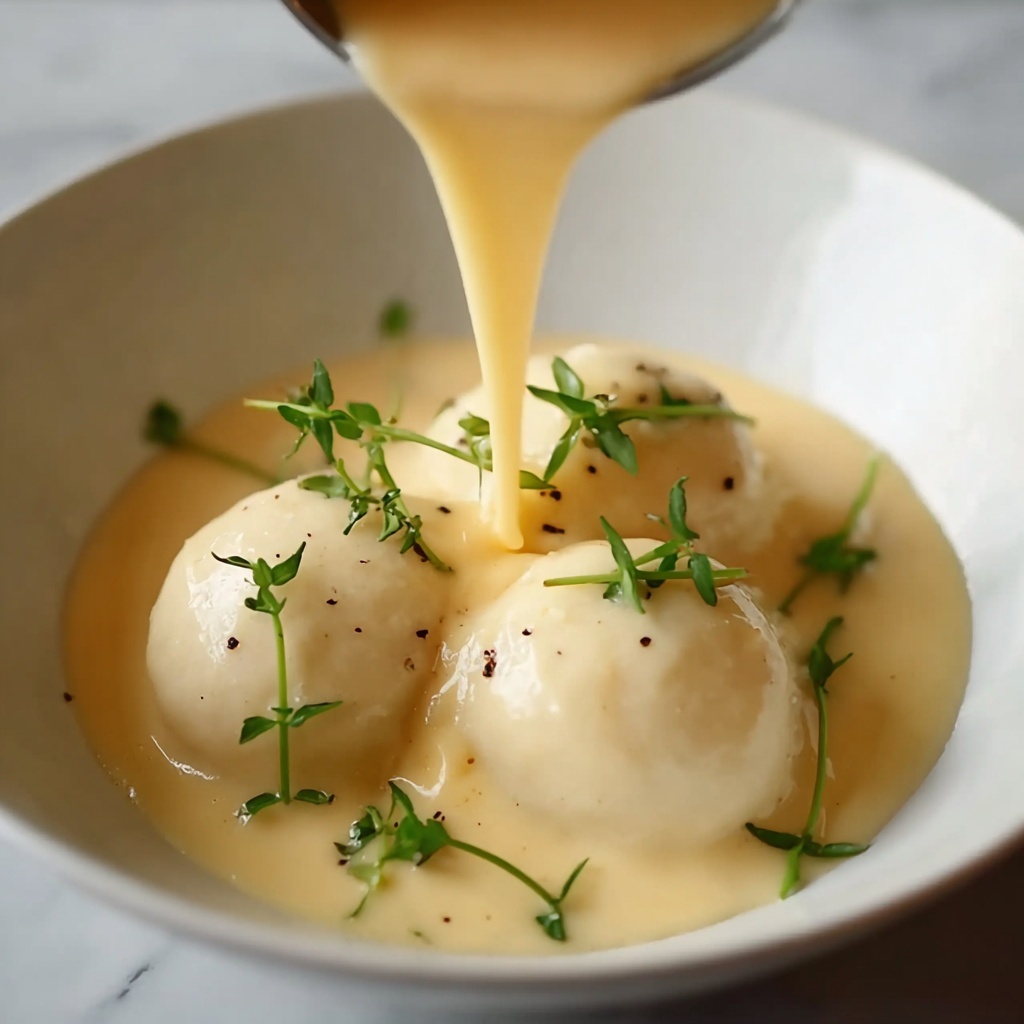
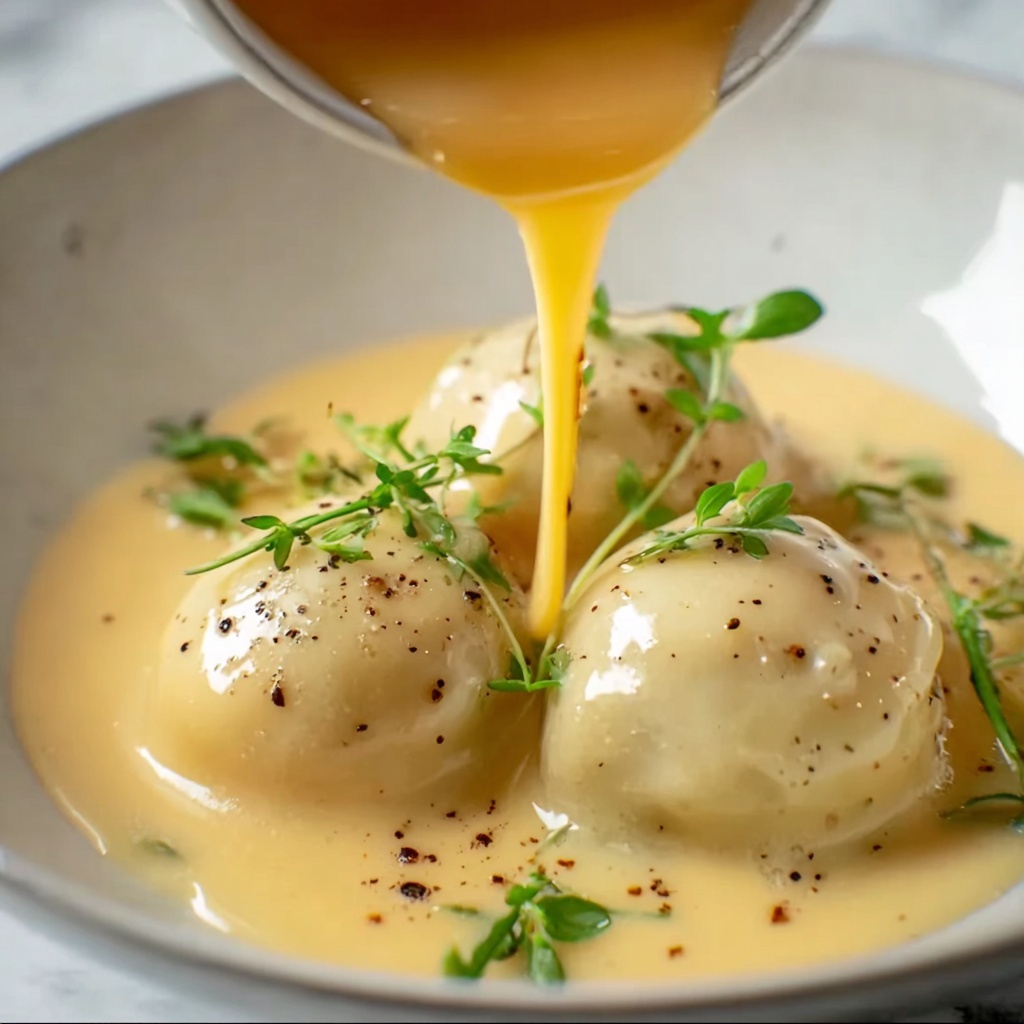
If you’ve ever wished for a sauce that feels like a warm, buttery hug on your brunch plate, then this Hollandaise Sauce Recipe is exactly what you need. It’s a classic French butter sauce that elegantly balances tangy lemon brightness with rich, silky texture, making it the ideal companion for everything from eggs Benedict to steamed asparagus. Crafted from just a handful of simple ingredients, this sauce transforms everyday dishes into something delightfully indulgent and sophisticated. Get ready to elevate your culinary game with this foolproof Hollandaise Sauce Recipe that’s sure to become a favorite.
Ingredients You’ll Need
Creating the perfect Hollandaise sauce comes down to choosing simple, fresh, and quality ingredients. Each component plays a crucial role—from the velvety texture to the bright, citrusy notes that make this sauce memorable.
- 3 large egg yolks: The creamy heart of the sauce that provides richness and thickens it beautifully when emulsified.
- 1 tablespoon fresh lemon juice: Adds a vibrant, tangy pop that cuts through the butter’s richness.
- 1 teaspoon water: Helps to lighten the egg mixture and ease the emulsification process.
- 1 cup unsalted butter, melted and warm: The silky element that makes the sauce luxuriously smooth and luscious.
- 1/4 teaspoon salt: Enhances all the delicate flavors and balances the taste perfectly.
- Pinch of cayenne pepper or white pepper: Offers a subtle, warming spice that gives Hollandaise its signature gentle kick.
How to Make Hollandaise Sauce Recipe
Step 1: Set Up Your Double Boiler
Begin by filling a small saucepan with a few inches of water and bring it to a gentle simmer. This indirect heat creates the perfect warm environment to slowly cook and thicken the sauce without scrambling the eggs.
Step 2: Whisk the Egg Yolks, Lemon Juice, and Water
Place the egg yolks, fresh lemon juice, and water in a heatproof bowl that fits snugly over your simmering pan. Whisk constantly for 3 to 4 minutes. This step is where the magic starts—your mixture will turn pale, thick, and a bit fluffy. It’s the foundation of that buttery smooth texture.
Step 3: Slowly Add the Warm Melted Butter
The trick to a perfect Hollandaise Sauce Recipe is patience. Drizzle the warm melted butter in slowly while whisking non-stop. This gentle emulsification will transform the mixture into a thick, glossy sauce. Keep whisking until all the butter is incorporated and the sauce is luxuriously thick.
Step 4: Season and Keep Warm
Remove the sauce from heat and stir in salt and a pinch of cayenne or white pepper. These subtle seasonings highlight the flavors beautifully. If you’re not serving it immediately, keep the sauce warm over very low heat for up to 30 minutes, whisking occasionally to maintain the perfect consistency.
How to Serve Hollandaise Sauce Recipe
Garnishes
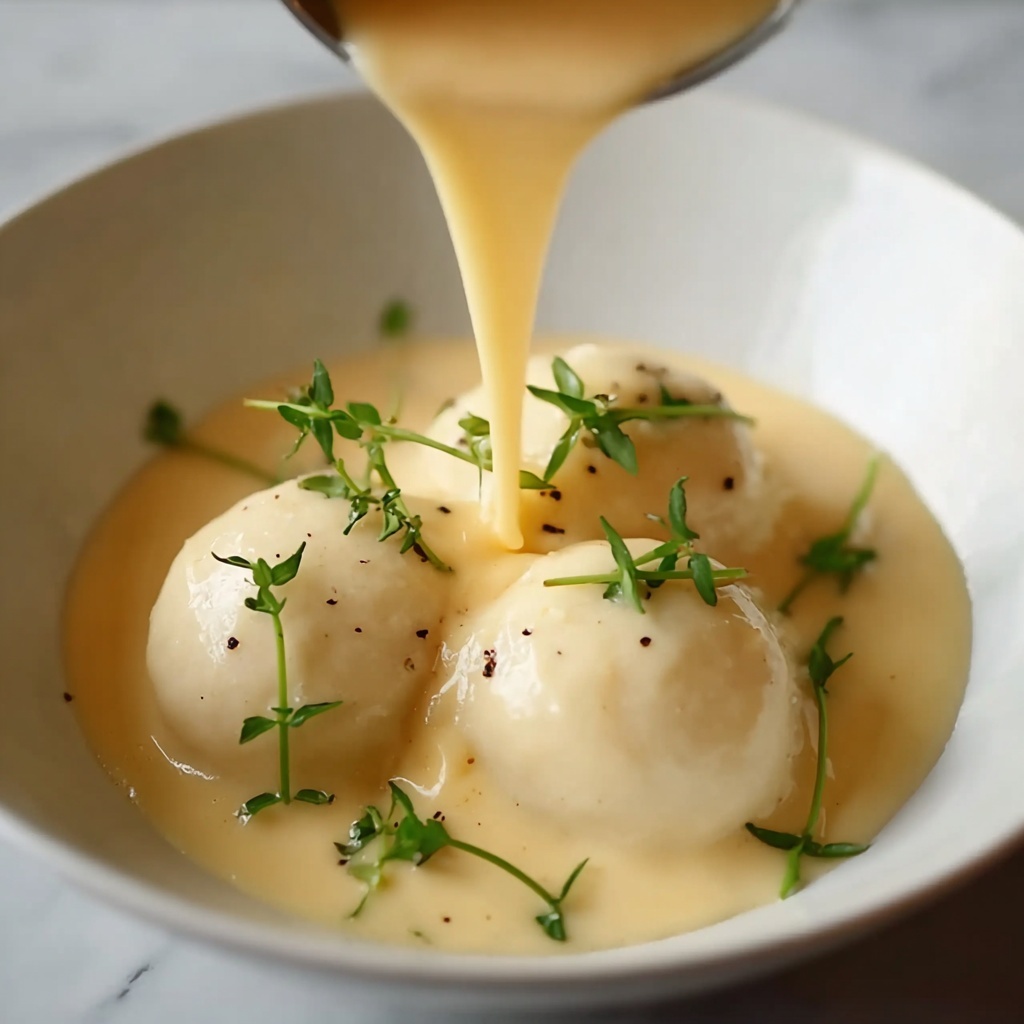
For an elegant finishing touch, sprinkle finely chopped fresh herbs like chives or tarragon on top. A dash of smoked paprika or an extra squeeze of fresh lemon juice can also enhance the flavors and add a charming pop of color.
Side Dishes
This Hollandaise Sauce Recipe pairs beautifully with classic breakfast and brunch staples. Think perfectly poached eggs, tender steamed asparagus, buttery steamed artichokes, or even crispy roasted potatoes. It’s versatile and adapts readily to lift simple veggies or proteins into a gourmet experience.
Creative Ways to Present
Try spooning Hollandaise over grilled salmon for a stunning presentation or use it as a rich drizzle on roasted cauliflower steaks. You can even turn it into a dipping sauce alongside fresh crab cakes or blanched green beans. Its creamy citrus notes instantly jazz up any plate!
Make Ahead and Storage
Storing Leftovers
You can store leftover Hollandaise Sauce Recipe in an airtight container in the refrigerator for up to 2 days. Keep in mind that the texture may thicken or separate slightly, but a gentle re-whisking can bring it back together.
Freezing
Freezing Hollandaise isn’t recommended because the delicate emulsion of egg and butter is likely to break after thawing, resulting in a grainy texture. It’s best enjoyed fresh whenever possible.
Reheating
To reheat, place the sauce in a heatproof bowl over a pan of barely simmering water and whisk gently—avoid direct heat to prevent scrambling. Adding a teaspoon of warm water can help loosen a thickened sauce and keep that silky consistency.
FAQs
Can I use whole eggs instead of just yolks for Hollandaise?
Whole eggs are not typically used in Hollandaise Sauce Recipe because the egg whites can cause the texture to become watery and prevent the sauce from emulsifying properly. The yolks provide the ideal richness and structure.
What should I do if my Hollandaise Sauce starts to separate?
If the sauce breaks or separates, whisk in a teaspoon of warm water slowly to help bring it back together. Keeping the heat gentle and steady during cooking can help prevent this problem.
Is there a way to make the sauce thicker or thinner?
Yes! If you want a thicker sauce, whisk it a bit longer off the heat. To thin it out, whisk in a little warm water, one teaspoon at a time, until you reach your desired consistency.
Why is my Hollandaise sauce grainy?
Graininess usually happens if the eggs are cooked at too high a temperature or if the butter was added too quickly. Maintaining a gentle simmer and slowly drizzling the butter in while whisking helps keep the sauce smooth.
Can I use clarified butter instead of melted butter?
Clarified butter is a great choice if you prefer a purer butter flavor with less milk solids, though traditional Hollandaise Sauce Recipe typically uses whole melted butter. Just ensure it’s warm but not hot to avoid cooking the eggs too quickly.
Final Thoughts
Hollandaise Sauce Recipe is a timeless classic that brings a touch of French elegance to any meal with surprisingly simple ingredients and steps. Once you’ve mastered this silky, tangy sauce, your brunches and dinner plates will never be the same. So grab those egg yolks and fresh lemons and dive into the delicious world of homemade Hollandaise—you won’t regret it!
Print
Hollandaise Sauce Recipe
- Prep Time: 5 minutes
- Cook Time: 10 minutes
- Total Time: 15 minutes
- Yield: 1 cup
- Category: Sauce
- Method: Stovetop
- Cuisine: French
- Diet: Vegetarian, Gluten Free
Description
Classic French Hollandaise Sauce made with egg yolks, fresh lemon juice, and melted butter. This rich, creamy sauce is perfect for drizzling over vegetables, eggs Benedict, or fish. Prepared gently over simmering water to create a smooth, velvety texture and flavored with a hint of cayenne pepper for subtle warmth.
Ingredients
Hollandaise Sauce Ingredients
- 3 large egg yolks
- 1 tablespoon fresh lemon juice
- 1 teaspoon water
- 1 cup unsalted butter, melted and warm
- 1/4 teaspoon salt
- Pinch of cayenne pepper or white pepper
Instructions
- Prepare a Double Boiler: Fill a small saucepan with a few inches of water and bring it to a gentle simmer. Ensure the water does not touch the bottom of the heatproof bowl to be used.
- Mix Egg Yolks and Liquids: In a heatproof bowl, combine the egg yolks, fresh lemon juice, and water. Place the bowl over the simmering water without the bowl touching the water.
- Whisk the Mixture: Whisk constantly for 3 to 4 minutes until the mixture becomes pale, thick, and slightly fluffy, which indicates the eggs are gently cooked and starting to emulsify.
- Incorporate Melted Butter: Slowly drizzle the warm melted butter into the egg mixture while whisking continuously to ensure proper emulsification and prevent separation.
- Season the Sauce: Remove the bowl from heat and season the sauce with salt and a pinch of cayenne or white pepper to taste.
- Serve or Keep Warm: Serve the Hollandaise immediately for best texture, or keep it warm over very low heat for up to 30 minutes, whisking occasionally to maintain consistency.
Notes
- If the sauce becomes too thick, whisk in a teaspoon of warm water to loosen it.
- Keep the heat gentle to prevent the eggs from scrambling during cooking.
- Use fresh lemon juice for the best flavor.
- Serve promptly for the best taste and texture; reheating may cause separation.