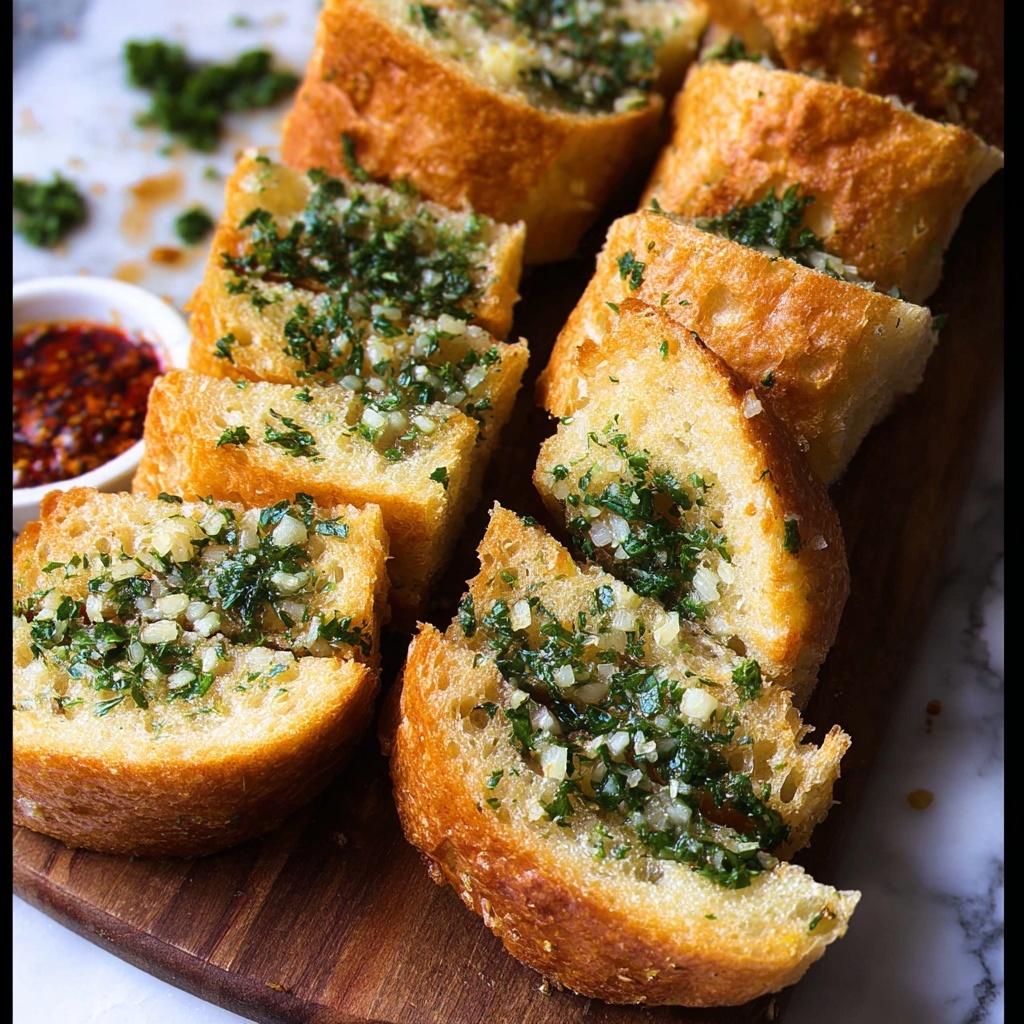
If you’ve been searching for a soul-satisfying side that brings all the cozy vibes to your table, look no further than this Garlic Parmesan Bread Recipe. This bread is the perfect harmony of crispy, cheesy, and garlicky, with an aromatic hint of herbs, making it absolutely irresistible. Whether you’re serving it with dinner or enjoying it on its own, this recipe combines simple ingredients transformed into a decadent loaf that tastes like it came from your favorite bakery. Get ready to fall in love with the warm, cheesy, and fragrant goodness that only a Garlic Parmesan Bread Recipe can deliver.
Ingredients You’ll Need
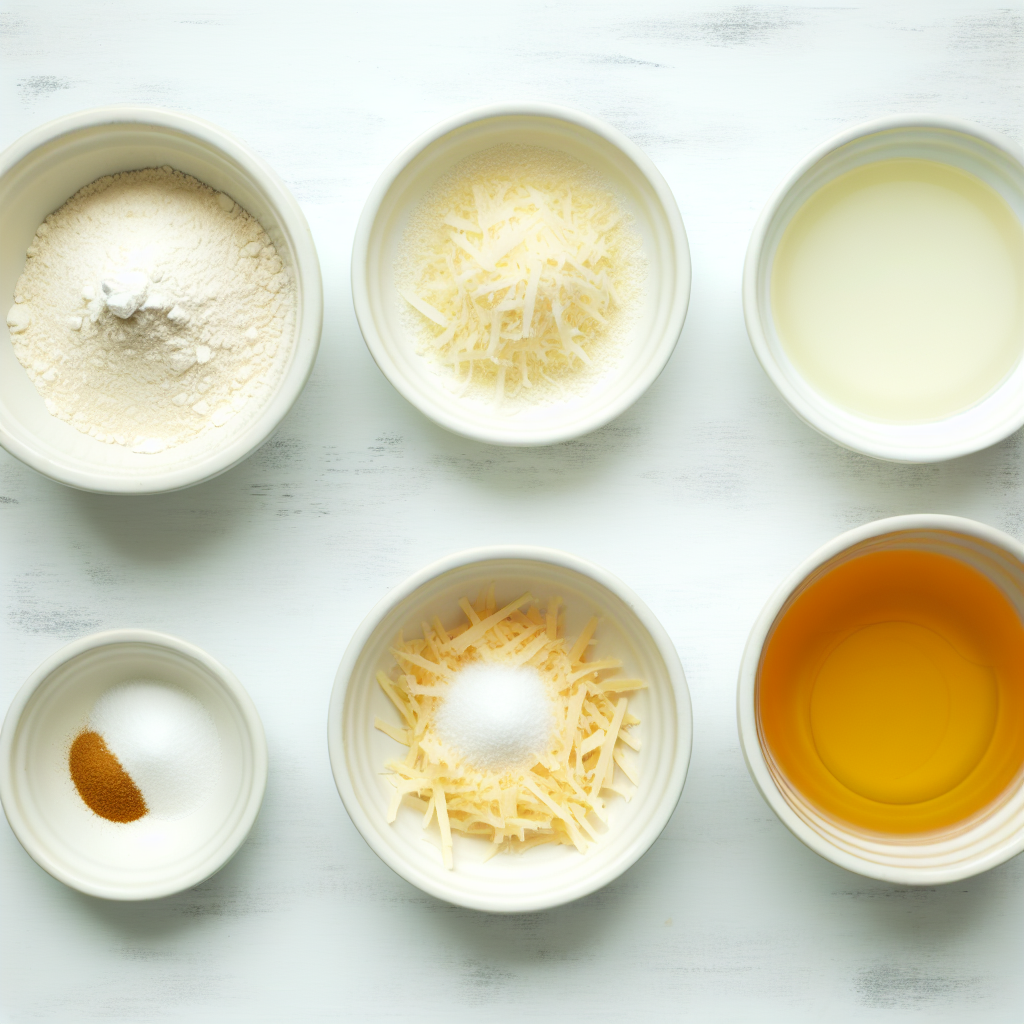
What makes this Garlic Parmesan Bread Recipe so delightful is how straightforward the ingredients are, yet each one plays an essential role. From the tender crumb of the dough to the golden, cheesy crust, every component adds a unique texture or flavor that makes this bread truly special.
- 3 cups all-purpose flour: The sturdy base that gives the bread its structure and chewy texture.
- 2 tsp active dry yeast: This natural leavening agent makes the dough rise beautifully, creating an airy interior.
- 1 cup warm water (110°F): Perfect temperature for activating yeast without killing it.
- 2 tbsp olive oil: Adds richness and moisture to the bread for a tender crumb.
- 1 tsp salt: Enhances all the flavors without overpowering the natural sweetness of the bread.
- 1 tsp sugar: Feeds the yeast to help it develop that perfect rise and a slight subtle sweetness.
- 1 tsp garlic powder: Infuses the dough with savory garlic flavor in every bite.
- 1½ cups shredded cheddar or mozzarella cheese: Melts into pockets of gooey goodness, adding richness and a golden topping.
- 1 tsp dried rosemary or oregano (optional): Brings a fragrant herbal note that elevates the taste experience.
How to Make Garlic Parmesan Bread Recipe
Step 1: Activate the Yeast
Start by warming your water to about 110°F—it should feel pleasantly warm to the touch. Dissolve the sugar in the water and sprinkle the yeast on top. Let it sit for 5 to 10 minutes until a foamy layer forms. This foam is your assurance that the yeast is alive and ready to work magic in your dough.
Step 2: Mix the Dough
In a large bowl, combine the flour, salt, and garlic powder. Once your yeast mixture is bubbly, pour it into the dry ingredients along with the olive oil. Mix everything together just until combined; don’t worry if the dough is a bit sticky at this point—it’s supposed to be.
Step 3: Knead and Fold in Cheese and Herbs
Turn your dough out onto a floured surface and knead for about 8 to 10 minutes until the dough becomes smooth and elastic. This kneading develops the gluten, giving your bread that perfect chewy texture. As you knead, gradually fold in the shredded cheese and your choice of dried rosemary or oregano. The cheese will weave throughout the dough, making each bite delightfully cheesy.
Step 4: First Rise
Lightly oil a bowl, place your dough inside, and cover with a damp towel or plastic wrap. Let it rise in a warm spot for about an hour until it doubles in size. This resting period is crucial as it lets the dough develop flavor and structure.
Step 5: Shape and Bake
After the dough has risen, punch it down gently and shape it into your desired loaf form. Place it on a baking sheet or in a loaf pan. Bake at 375°F for 25 to 30 minutes or until the crust turns a gorgeous golden brown. The aroma filling your kitchen at this stage is nothing short of fantastic.
How to Serve Garlic Parmesan Bread Recipe
Garnishes
To make your Garlic Parmesan Bread even more mouthwatering, sprinkle a little extra grated Parmesan cheese on top right after baking while the bread is still hot. A drizzle of olive oil or a light brush of melted butter mixed with fresh minced garlic can add an extra layer of indulgence. Fresh herbs like chopped parsley or basil scattered over the top bring a vibrant color and fresh flavor.
Side Dishes
This Garlic Parmesan Bread works brilliantly with a variety of dishes. Pair it with hearty soups like tomato basil or creamy potato leek for dipping perfection. It also complements Italian classics such as pasta in marinara or alfredo sauce, or alongside a fresh salad for a lighter meal option. It’s versatile enough to elevate any simple dinner.
Creative Ways to Present
Serve this bread warm in a rustic basket lined with a cozy kitchen towel for an inviting touch. Slice it into thick chunks or fun bite-sized squares for parties or snacks. You can even make individual mini loaves to personalize servings or present the bread topped with melted cheese and herbs in cast iron skillets right at the table for dramatic effect.
Make Ahead and Storage
Storing Leftovers
Wrap your leftover bread tightly in plastic wrap or place it in an airtight container to keep it from drying out. Stored this way, it should stay fresh for up to two days. If the crust softens, a quick toast or bake can revive its crispiness.
Freezing
If you want to keep your Garlic Parmesan Bread longer, freezing is a great option. Slice it before freezing for easy grab-and-go portions. Wrap tightly in plastic wrap and then in a freezer bag to protect it from freezer burn. It will keep well for up to three months.
Reheating
Reheat frozen or refrigerated bread by warming it in an oven at 350°F for about 10 minutes. This method restores the bread’s crispy crust and gooey cheese layers without drying it out. Avoid microwaving if possible, since it tends to make the bread tough or rubbery.
FAQs
Can I use different types of cheese in this Garlic Parmesan Bread Recipe?
Absolutely! While cheddar and mozzarella are common choices, you can experiment with Parmesan, Gruyère, or even a blend for varied flavor profiles. Just keep in mind the melting qualities of the cheese to maintain that gooey texture.
What if I don’t have garlic powder? Can I use fresh garlic?
Fresh garlic can be used, but add it sparingly to avoid overpowering the bread or creating uneven textures. Mince it finely and incorporate it during kneading or mix it with the olive oil for brushing the top before baking as an alternative.
Is this bread recipe suitable for beginners?
Yes! This Garlic Parmesan Bread Recipe is straightforward and forgiving, making it a fantastic project even if you’re new to bread baking. Just be patient during the rising process, and follow the steps carefully.
Can I make this bread without herbs?
Definitely. Herbs like rosemary or oregano add a lovely aroma and slight taste boost, but the bread is delicious on its own with just garlic and cheese. You can skip the herbs or use any dried herb you love.
How do I know when the bread is fully baked?
The bread should be golden brown on top, and when tapped on the bottom, it should sound hollow. You can also use a thermometer—the internal temperature should reach about 190°F to 200°F for perfect doneness.
Final Thoughts
This Garlic Parmesan Bread Recipe is one of those dishes that feels like a warm hug on a plate. It’s easy to make, packed with flavor, and utterly comforting. Whether you’re a seasoned baker or trying something new, this recipe will bring joy to your kitchen and delight to your palate. So, roll up your sleeves, gather your ingredients, and treat yourself and your loved ones to this cheesy, garlicky goodness—you won’t regret it!
Print
Garlic Parmesan Bread Recipe
- Prep Time: 15 minutes
- Cook Time: 30 minutes
- Total Time: 1 hour 45 minutes
- Yield: 1 loaf (about 8 slices)
- Category: Bread
- Method: Baking
- Cuisine: American
Description
This Garlic Parmesan Bread recipe combines the savory flavors of garlic, parmesan, and herbs into a warm, soft homemade bread. The dough is made with active dry yeast, enriched with olive oil, and studded with shredded cheese and optional dried herbs for an aromatic, cheesy twist on a classic bread. Perfect as a side or snack, it requires a simple rise and bake method for a golden-brown crust with a tender interior.
Ingredients
Dough Ingredients
- 3 cups all-purpose flour
- 2 tsp active dry yeast
- 1 cup warm water (110°F)
- 2 tbsp olive oil
- 1 tsp salt
- 1 tsp sugar
Flavor Additions
- 1 tsp garlic powder
- 1½ cups shredded cheddar or mozzarella cheese
- 1 tsp dried rosemary or oregano (optional)
Instructions
- Prep the ingredients: Gather all ingredients and measure them accurately to ensure smooth progress in bread making.
- Activate yeast: In a small bowl, mix the warm water (110°F) with sugar and active dry yeast. Let it sit for 5-10 minutes until it becomes foamy, indicating active yeast ready for baking.
- Combine dry ingredients: In a large mixing bowl, mix the all-purpose flour, salt, and garlic powder together to evenly distribute flavors.
- Mix dough: Add the activated yeast mixture and olive oil to the dry ingredients. Stir it gently for 3-5 minutes just until the mixture comes together into a shaggy dough.
- Knead dough: Turn the dough onto a floured surface and knead for 8-10 minutes until it becomes smooth and elastic. While kneading, fold in the shredded cheese and dried herbs (if using) to evenly incorporate them.
- First rise: Place the dough in a lightly oiled bowl, cover with a damp cloth or plastic wrap, and let it rise in a warm place for about 1 hour, or until doubled in size.
- Shape and bake: After rising, punch down the dough and shape it into a loaf or rounds to your preference. Heat the oven to 375°F (190°C) and bake the bread for 25-30 minutes, or until the crust is golden brown and the loaf sounds hollow when tapped.
- Cool and serve: Remove the bread from the oven and cool on a wire rack before slicing. Serve warm or at room temperature for best flavor and texture.
Notes
- Use warm water not hotter than 110°F to avoid killing the yeast.
- You can substitute mozzarella with Parmesan or a mix of cheeses for variation.
- Letting the dough rise fully is crucial for a soft, airy bread.
- Optional herbs add extra aroma but can be omitted if unavailable.
- For a crustier bread, bake on a preheated baking stone or tray.