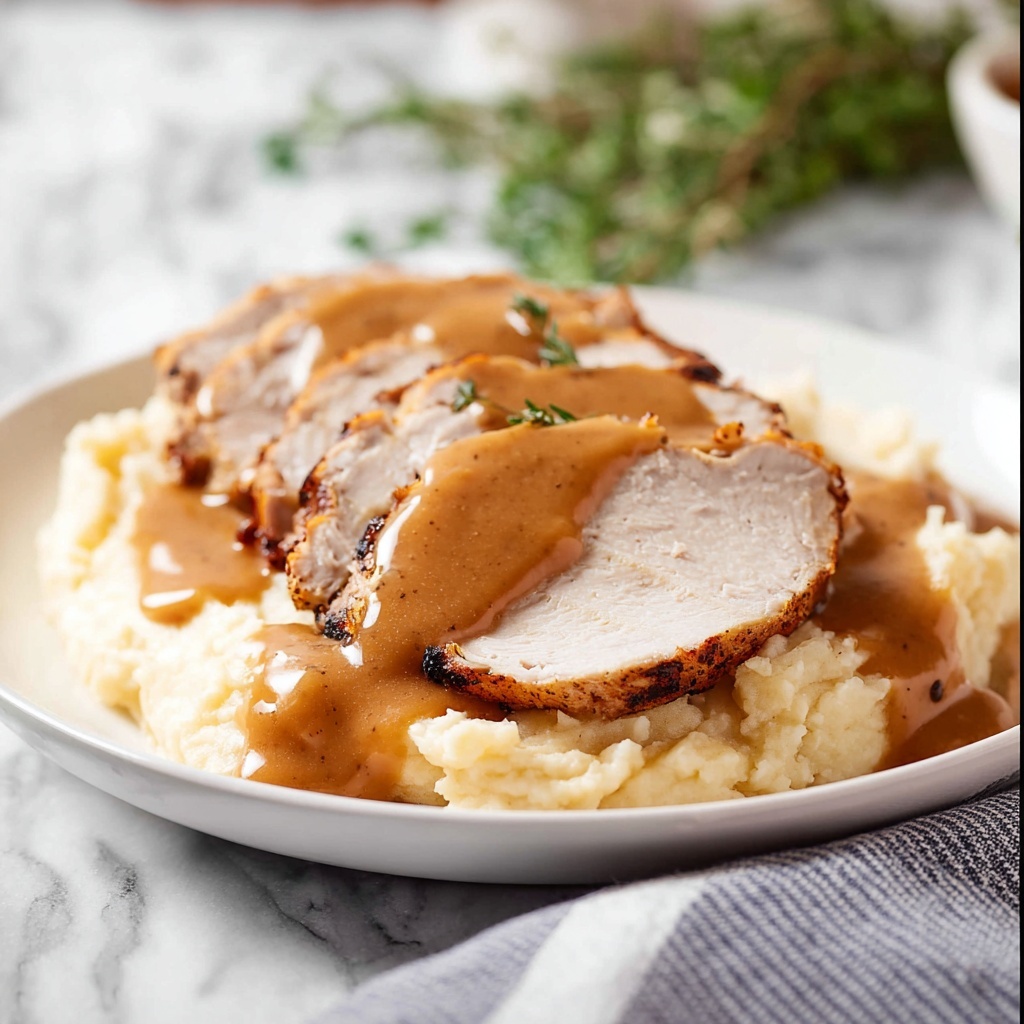
If you have ever wanted to capture that rich, comforting essence of Thanksgiving on any day of the year, this Classic Homemade Turkey Gravy Recipe is your golden ticket. There is something truly magical about pouring a velvety, deeply flavorful gravy over your turkey and sides that transforms a meal into an unforgettable experience. This recipe takes you through every step, from making the perfect turkey stock to whisking up a luscious gravy that bursts with herbaceous notes and that unmistakable roasted turkey goodness. Trust me, once you master this classic, it will become your go-to for every holiday feast or cozy dinner.
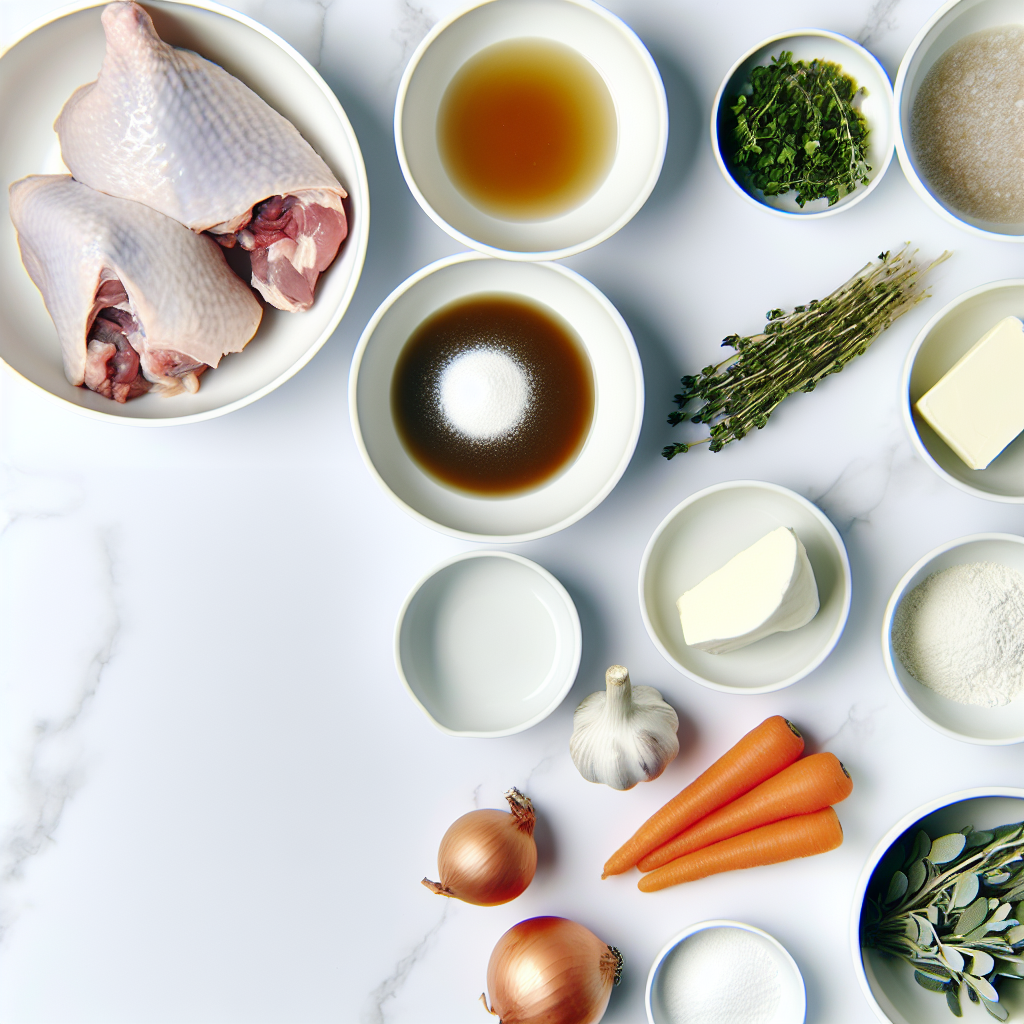
Ingredients You’ll Need
Great gravy starts with simple yet essential ingredients that each play a starring role in building depth and balance. From the savory turkey neck and aromatic herbs to the golden roux made from turkey drippings and flour, every component adds taste, texture, and color that you will love.
- Turkey neck and giblets (or turkey neck only): The foundation of your stock, providing rich, savory flavor that nothing else can replace.
- 2 carrots, coarsely chopped: Adds subtle sweetness and vibrant color to the stock.
- 2 ribs of celery, coarsely chopped: Brings an earthy freshness that balances the richness.
- 1 onion, quartered: Infuses savory depth with natural sugars released during simmering.
- 2 cloves garlic, whole: Offers a mild aromatic background without overpowering.
- 2 sprigs of fresh rosemary: Adds an herbal piney note that complements turkey beautifully.
- 2 sprigs of fresh thyme: Provides subtle earthiness and gentle complexity.
- 2-3 fresh sage leaves: Sage brings classic turkey seasoning flavor that is simply irresistible.
- 6 cups water: The base liquid for crafting a clear, flavorful stock.
- 4 tablespoons fat from turkey drippings: The key to a luscious, silky gravy with authentic taste.
- 6 tablespoons all-purpose flour: For thickening the gravy perfectly to that smooth, velvety texture.
- Juice from turkey drippings: Concentrated flavor booster that carries the savory notes from the roast.
- Homemade turkey stock (or 4 cups store-bought): The backbone liquid if you’re short on time for making stock yourself.
- Salt and pepper (to taste): Essential finishing touches to elevate every bite.
How to Make Classic Homemade Turkey Gravy Recipe
Step 1: Make the Turkey Stock
This step is where you start to coax incredible depth of flavor that forms the heart of the gravy. Toss the turkey neck, giblets if you have them, and your root vegetables and herbs into a large pot with water. Bring it all to a boil, then gently simmer for about two hours. As it simmers, your kitchen will fill with irresistible aroma, and the liquid will turn a rich golden color — that’s pure magic happening.
Step 2: Strain the Stock
Once the turkey stock has simmered and developed that fantastic flavor, strain it carefully through a fine mesh sieve. This removes any solids and leaves you with a clean yet intensely flavorful broth. Set this aside as it will be the base for your gravy.
Step 3: Prep the Turkey Drippings
After roasting your turkey, collect the drippings by pouring them into a clear jar or measuring cup. Let the fat rise to the top and then gently skim off four tablespoons of this golden goodness. The fat is where the richness lives and creates the silky body for your gravy.
Step 4: Combine Liquids for Gravy Base
Add enough turkey stock to the remaining juices in the measuring cup to total four cups of liquid. This perfect blend of stock and drippings gives your gravy that fantastic roasted flavor that is unmistakable.
Step 5: Make the Roux
Heat the reserved turkey fat in a medium saucepan over medium-high heat. Slowly whisk in the flour and keep whisking continuously for about two minutes. You want to cook off the raw flour taste and develop a light golden color—this roux is the thickening powerhouse of your gravy.
Step 6: Add Liquid and Thicken
Gradually pour in your liquid mixture while whisking nonstop to keep lumps at bay. As the mixture thickens, add more liquid until you reach a smooth, velvety gravy consistency. Let it come to a gentle simmer, cooking uncovered for about five minutes to meld the flavors beautifully.
Step 7: Season and Strain
Season your gravy with salt and pepper, tasting as you go to get it just right. For ultra-smooth gravy, strain it through a fine mesh sieve before serving. This final step ensures your gravy is silky without any lumps or bits.
How to Serve Classic Homemade Turkey Gravy Recipe
Garnishes
A sprinkle of freshly chopped parsley or a tiny drizzle of extra turkey drippings on top can give your gravy a little color pop and an inviting aroma. Garnishes add an elegant touch that says you’ve made something truly special.
Side Dishes
This gravy shines poured generously over classic sides like fluffy mashed potatoes, dense stuffing, roasted vegetables, or even warm buttermilk biscuits. Its rich flavor brings harmony to every dish on your table, making ordinary sides feel like a celebration.
Creative Ways to Present
For an extra special presentation, serve your gravy in a beautiful gravy boat warmed before the meal. Or try swirling in a dollop of cranberry sauce or a splash of sherry to add a little twist. No matter how you serve it, this Classic Homemade Turkey Gravy Recipe will steal the show.
Make Ahead and Storage
Storing Leftovers
Leftover turkey gravy keeps beautifully in the fridge for up to four days. Store it in an airtight container to preserve its fresh flavor and prevent it from absorbing other odors.
Freezing
You can freeze your turkey gravy for up to three months. Make sure it is fully cooled before transferring to freezer-safe containers. Thaw in the fridge overnight to maintain the best texture.
Reheating
Reheat gravy gently on the stovetop over low heat, stirring frequently to bring it back to that silky perfect consistency. If it thickens too much, add a little turkey stock or water to loosen it up.
FAQs
Can I use store-bought turkey stock instead of making my own?
Absolutely! While homemade stock adds extra depth, good-quality store-bought turkey or chicken stock can be a time-saving alternative that still yields delicious results for your gravy.
How can I make my gravy thicker or thinner?
To thicken gravy, simmer it longer to reduce and concentrate the flavors. To thin it out, simply whisk in a little additional turkey stock or water until you reach your desired consistency.
What if I don’t have turkey giblets?
Using just the turkey neck still provides plenty of rich flavor for your stock. Giblets add more complexity but are not absolutely necessary.
Can I prepare the gravy ahead of time?
You can make the gravy up to a day ahead and refrigerate it. Before serving, just reheat gently on the stove and whisk well. Freshly made gravy always tastes best, but this is a handy shortcut.
Why do I need to strain the gravy?
Straining removes any small lumps, bits of herbs, or solids from the stock, resulting in a smooth, elegant gravy that feels silky on the palate—making every spoonful a pure delight.
Final Thoughts
This Classic Homemade Turkey Gravy Recipe is more than just a sauce; it’s a labor of love that elevates any meal and brings everyone together around the table. It’s the kind of recipe you’ll find yourself making year after year, for holidays and everyday dinners alike. So cozy up, grab those turkey drippings, and give this recipe a try—you’ll be amazed how a simple gravy can transform your meal into something extraordinary.
Print
Classic Homemade Turkey Gravy Recipe
- Prep Time: 15 minutes
- Cook Time: 2 hours 15 minutes
- Total Time: 2 hours 30 minutes
- Yield: 8 servings
- Category: Sauce
- Method: Stovetop
- Cuisine: American
Description
This Classic Homemade Turkey Gravy recipe guides you through making rich, flavorful gravy using turkey neck, giblets, aromatic vegetables, and fresh herbs to create a homemade turkey stock. The gravy is thickened with a roux made from turkey fat and flour, resulting in a smooth, velvety sauce perfect for complementing roasted turkey, mashed potatoes, or stuffing.
Ingredients
Turkey Stock Ingredients
- Turkey neck and giblets (or turkey neck only)
- 2 carrots, coarsely chopped
- 2 ribs of celery, coarsely chopped
- 1 onion, quartered
- 2 cloves garlic, whole
- 2 sprigs of fresh rosemary
- 2 sprigs of fresh thyme
- 2–3 fresh sage leaves
- 6 cups water
Gravy Ingredients
- 4 tablespoons fat from turkey drippings
- 6 tablespoons all-purpose flour
- Juice from turkey drippings
- Homemade turkey stock (or 4 cups store-bought)
- Salt and pepper (to taste)
Instructions
- Make the turkey stock: In a large pot, combine the turkey neck, giblets (optional), carrots, celery, onion, garlic, rosemary, thyme, sage, and water. Bring the mixture to a boil over medium-high heat, then reduce to a gentle simmer. Cover and let simmer for about 2 hours until the stock develops a fragrant aroma and golden color.
- Strain the stock: Carefully strain the stock through a fine mesh sieve into a large bowl or container, discarding the solids. Set the strained stock aside for later use.
- Prepare the turkey drippings: After roasting your turkey, remove it from the pan and pour the drippings, including browned bits, into a clear measuring cup. Let it rest for a few minutes to separate the fat from the juices.
- Separate the fat: Tilt the measuring cup and use a spoon to skim off 4 tablespoons of fat from the top. Transfer this fat to a small bowl and set aside.
- Measure the liquid base: Add enough turkey stock to the remaining juices to total 4 cups of liquid, which will serve as the gravy base.
- Make the roux: In a medium saucepan over medium-high heat, heat the reserved turkey fat. Whisk in the flour and continuously stir for about 2 minutes until the roux forms a smooth paste and turns light golden brown, indicating it’s cooked.
- Add the liquid: Gradually pour the prepared liquid mixture into the roux while whisking constantly to prevent lumps. Continue adding liquid as the gravy thickens until it achieves a smooth, velvety consistency.
- Simmer the gravy: Bring the mixture to a gentle simmer and cook uncovered for approximately 5 minutes, stirring occasionally. If a thicker gravy is preferred, continue simmering until the desired thickness is reached. Season with salt and pepper to taste.
- Optional finishing: For an ultra-smooth gravy, strain it through a fine mesh sieve before serving.
- Serve: Serve the warm gravy over roasted turkey, mashed potatoes, or stuffing for a classic holiday centerpiece.
Notes
- Using homemade turkey stock enhances the gravy’s flavor, but store-bought stock can be used as a shortcut.
- Skimming the fat carefully ensures a rich but not greasy gravy.
- Cook the roux just enough to avoid a raw flour taste; a light golden color is ideal.
- Constant whisking while adding liquid prevents lumps, ensuring a smooth gravy.
- Adjust seasoning with salt and pepper at the end to taste.
- Straining the gravy is optional but recommended for a refined texture.