
If you’re craving a breakfast that feels both indulgent and elegant, the Classic Eggs Benedict with Hollandaise Recipe is the perfect choice. This dish combines perfectly poached eggs, savory Canadian bacon, and toasted English muffins, all smothered in a rich, buttery hollandaise sauce that is simply irresistible. It’s a timeless brunch favorite that can turn any morning into a special occasion, with flavors that harmonize beautifully and textures that delight from first bite to last.
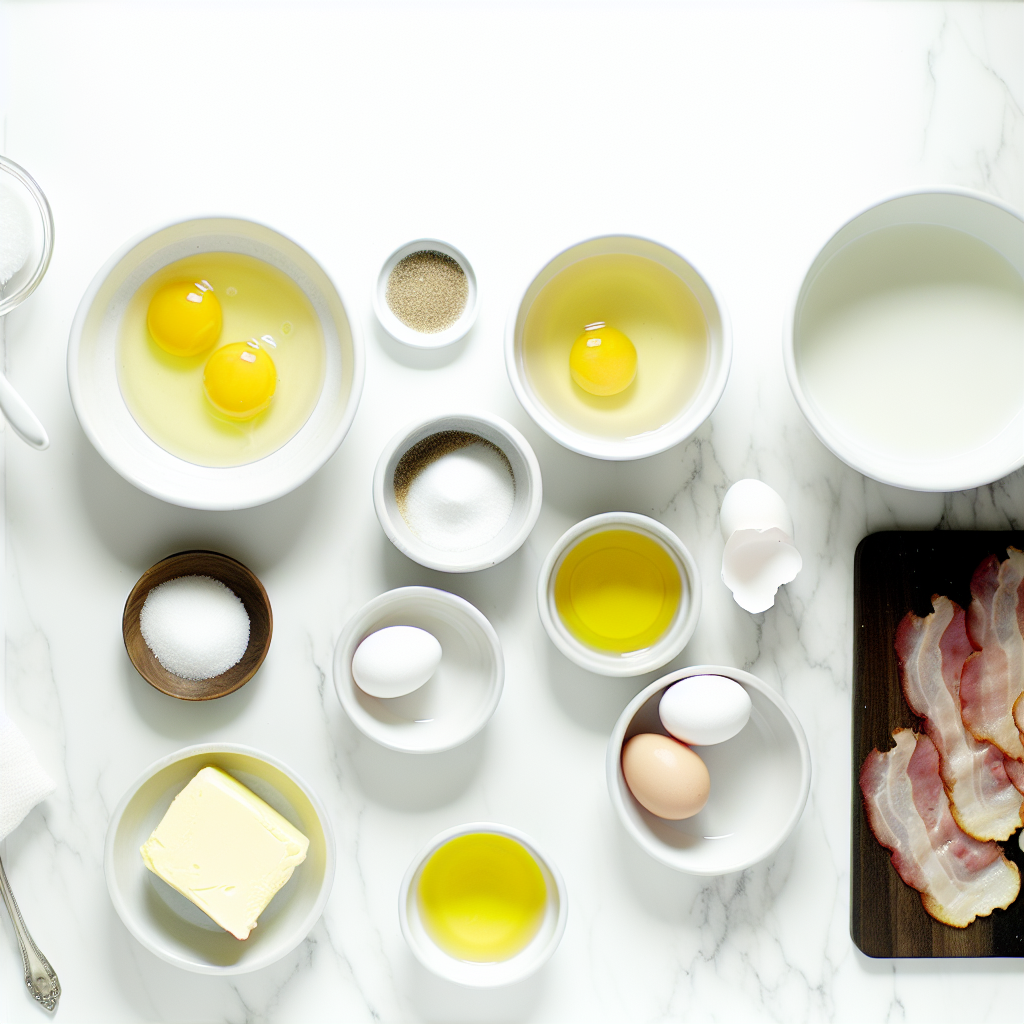
Ingredients You’ll Need
Getting started with the Classic Eggs Benedict with Hollandaise Recipe means gathering a handful of simple but essential ingredients. Each one plays a unique role—ensuring the dish delivers on taste, texture, and that golden appearance that makes hollandaise so special.
- 4 large eggs: The star of the show, these will be perfectly poached to create a soft, runny center.
- 2 English muffins, split and toasted: Provide a sturdy and slightly crunchy base to hold all those flavorful toppings.
- 4 slices of Canadian bacon: Adds a smoky, savory layer that balances the richness of the eggs and sauce.
- 1 tablespoon white vinegar: Helps the egg whites coagulate quickly and neatly during poaching.
- 1/2 cup unsalted butter: Melted to create the silky texture in the hollandaise sauce.
- 3 large egg yolks: The foundation of the hollandaise’s creamy, luscious consistency.
- 1 tablespoon lemon juice: Brightens the sauce with a touch of acidity, cutting through the butteriness.
- Salt and pepper to taste: Essential to round out all the flavors with a perfect seasoning balance.
How to Make Classic Eggs Benedict with Hollandaise Recipe
Step 1: Melt the Butter
Begin by gently melting the unsalted butter in a saucepan over low heat. Keep it warm because you’ll need this luscious liquid butter to create your hollandaise. Warm butter ensures your sauce comes together smoothly without any lumps.
Step 2: Whisk Egg Yolks and Lemon Juice
In a separate heatproof bowl, vigorously whisk together the egg yolks and lemon juice. This combination is the heart of your hollandaise sauce, where creaminess and bright citrus flavor start to develop.
Step 3: Thicken the Sauce Base
Set the bowl over simmering water—a gentle double boiler—to avoid scrambling the eggs. Keep whisking continuously until the mixture thickens and lightens slightly, a key moment where your hollandaise begins to take shape.
Step 4: Incorporate the Warm Butter
Slowly drizzle the warm melted butter into the egg yolk mixture while whisking constantly. This slow addition emulsifies the fat and eggs, producing a silky sauce that’s both rich and velvety.
Step 5: Season the Hollandaise
Add salt and pepper to taste, then set the hollandaise aside but keep it warm until ready to use. This final touch elevates the sauce’s flavor and complements the rest of the dish beautifully.
Step 6: Prepare the Poaching Water
In a large pot, bring water and white vinegar to a gentle simmer. The vinegar helps the egg whites set perfectly, creating that signature poached egg texture in your Classic Eggs Benedict with Hollandaise Recipe.
Step 7: Poach the Eggs
Crack each egg into a small bowl first, then gently slide them into the simmering water. This technique prevents the yolks from breaking and keeps the eggs intact and pretty.
Step 8: Cook the Eggs
Poach the eggs for about 3 to 4 minutes until the whites are fully set but the yolks remain deliciously runny. Timing is everything here to achieve that luxurious, oozy center.
Step 9: Cook the Canadian Bacon
While the eggs poach, heat a skillet and cook the Canadian bacon slices until they are warmed through and slightly caramelized. This adds both flavor and a touch of texture to your dish.
Step 10: Assemble the Benedict
Place a slice of Canadian bacon on each toasted English muffin half, then top with a perfectly poached egg. Generously drizzle the warm hollandaise sauce over everything, making sure every bite is decadently coated.
Step 11: Serve and Enjoy
Serve your Classic Eggs Benedict with Hollandaise Recipe immediately to savor the contrast of warm sauce, yolky eggs, and crispy toasted muffins. It’s brunch at its finest and always a crowd-pleaser.
How to Serve Classic Eggs Benedict with Hollandaise Recipe
Garnishes
Simple garnishes such as a sprinkle of chopped fresh chives or a dusting of smoked paprika can elevate the presentation and add a subtle kick of flavor. A few sprigs of fresh parsley bring a pop of color and freshness that balances the richness.
Side Dishes
Classic sides like crispy home fries or a light mixed green salad pair beautifully with Eggs Benedict. Their textures complement the creamy hollandaise and velvety eggs, offering a well-rounded meal that feels both indulgent and satisfying.
Creative Ways to Present
Feeling adventurous? Try replacing Canadian bacon with smoked salmon for a luxurious twist, or switch out the English muffins for toasted brioche rounds to add a touch of sweetness. You can also serve this dish on avocado halves for a fresh and modern take on the Classic Eggs Benedict with Hollandaise Recipe.
Make Ahead and Storage
Storing Leftovers
If you happen to have leftovers, store the hollandaise sauce separately in an airtight container in the refrigerator for up to 24 hours. Poached eggs and Canadian bacon can be kept separately as well, but it’s best to consume everything fresh for peak texture and flavor.
Freezing
Freezing hollandaise sauce is generally not recommended since the texture can separate upon thawing. However, you can freeze the Canadian bacon and English muffins separately if needed and prepare fresh eggs and hollandaise sauce on the day you plan to enjoy the meal again.
Reheating
To reheat hollandaise sauce gently, use a double boiler or warm water bath, whisking frequently to restore its creamy consistency. Eggs and Canadian bacon should be reheated with care to avoid overcooking; a low oven or skillet with gentle heat works best.
FAQs
Can I use regular bacon instead of Canadian bacon?
Yes, regular bacon can be used if you prefer a crispier and smokier flavor. Just make sure to cook it until it’s nicely browned and drain any excess grease before assembling to avoid sogginess.
How do I know when the poached eggs are done?
Poached eggs are ready when the whites are fully set yet tender, and the yolks remain soft and runny inside. Gently lift an egg with a slotted spoon to check that the white holds its shape without wobbling.
Why do I need vinegar for poaching eggs?
Vinegar helps the egg whites coagulate faster, preventing them from spreading too much in the water. It’s key to achieving those neat, compact poached eggs that look beautiful on your dish.
Is hollandaise sauce difficult to make?
While it might seem intimidating, hollandaise sauce is quite simple with a little patience and whisking. Using a double boiler setup makes controlling the heat easier, ensuring you get a smooth, flawless sauce.
Can I prepare any parts of this recipe ahead of time?
You can toast the English muffins and cook the Canadian bacon ahead, as well as prepare the hollandaise sauce shortly before serving. Poached eggs are best made fresh to maintain their delicate texture.
Final Thoughts
Sharing the Classic Eggs Benedict with Hollandaise Recipe feels like passing down a little culinary love that can brighten any morning. It’s truly a dish that rewards your time and care with luxurious flavor and unbeatable comfort. Give it a try—you might just find it becomes your go-to for unforgettable breakfasts and brunches alike.
Print
Classic Eggs Benedict with Hollandaise Recipe
- Prep Time: 15 minutes
- Cook Time: 15 minutes
- Total Time: 30 minutes
- Yield: 2 servings
- Category: Breakfast
- Method: Stovetop
- Cuisine: American
Description
Classic Eggs Benedict with Hollandaise sauce is a timeless breakfast favorite featuring perfectly poached eggs, savory Canadian bacon, and toasted English muffins, all topped with a rich, creamy hollandaise sauce. This elegant yet approachable recipe takes just 30 minutes and is ideal for a special brunch or weekend treat.
Ingredients
For the Eggs Benedict
- 4 large eggs
- 2 English muffins, split and toasted
- 4 slices of Canadian bacon
- 1 tablespoon white vinegar
For the Hollandaise Sauce
- 1/2 cup unsalted butter
- 3 large egg yolks
- 1 tablespoon lemon juice
- Salt and pepper to taste
Instructions
- Melt the Butter: In a saucepan, melt the butter over low heat and keep it warm. This warm melted butter will be used to create the hollandaise sauce.
- Prepare Egg Yolks: In a separate heatproof bowl, whisk together the egg yolks and lemon juice until smooth and combined.
- Thicken the Yolks: Place the bowl over a pot of simmering water (double boiler method) and whisk continuously until the mixture thickens and lightens in color.
- Incorporate Butter: Slowly drizzle in the warm melted butter while whisking continuously to create a smooth and creamy hollandaise sauce.
- Season the Sauce: Add salt and pepper to taste, then set the hollandaise sauce aside, keeping it warm.
- Poach the Eggs: In a large pot, bring water and white vinegar to a gentle simmer. Crack each egg into a small bowl and gently slide the eggs into the simmering water.
- Cook Eggs: Poach the eggs for about 3-4 minutes until the egg whites are set but the yolks remain runny for optimal texture.
- Cook Canadian Bacon: While eggs poach, heat a skillet over medium heat and cook the Canadian bacon slices until heated through and lightly browned.
- Assemble the Eggs Benedict: On each toasted English muffin half, place a slice of Canadian bacon, then top with a poached egg.
- Apply Hollandaise: Generously drizzle the warm hollandaise sauce over the eggs and Canadian bacon on each muffin half.
- Serve: Serve immediately while warm and enjoy your classic Eggs Benedict breakfast.
Notes
- Use fresh, high-quality eggs for best poaching results.
- Keep the hollandaise sauce warm but not hot to prevent it from curdling.
- Adding white vinegar to poaching water helps the egg whites coagulate faster for neat poached eggs.
- If preferred, substitute Canadian bacon with smoked ham or turkey bacon.
- For a thicker hollandaise, continue whisking until desired consistency is reached, but avoid overheating.