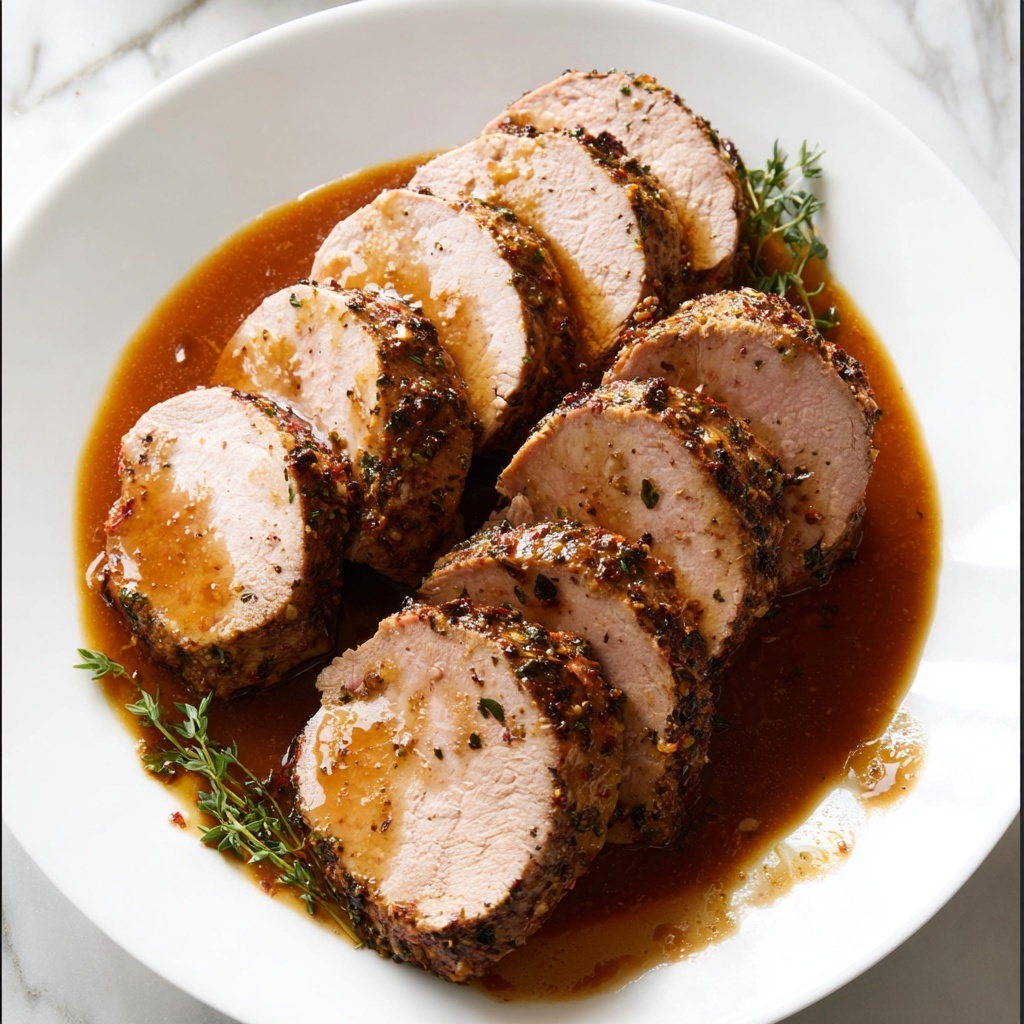
If you’re craving a dish that feels like a special celebration but comes together effortlessly, this Roasted Pork Tenderloin with Garlic and Herb Pan Sauce Recipe is your new best friend. Tender, juicy pork meets a rich, savory pan sauce infused with garlic, fresh herbs, and a touch of white wine, creating an irresistible harmony of flavors that is both comforting and elegant. Whether it’s a weeknight dinner or a weekend gathering, this recipe promises a mouthwatering experience that will have everyone asking for seconds.
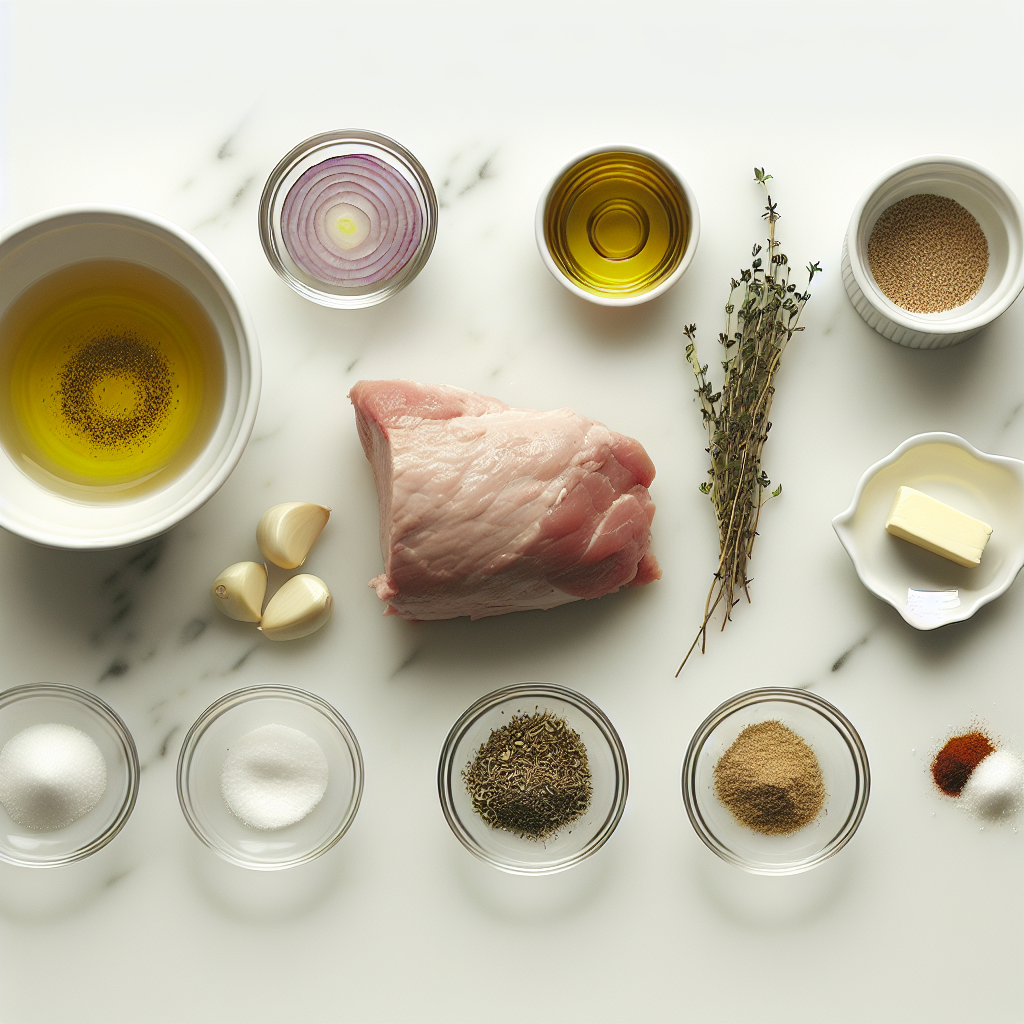
Ingredients You’ll Need
Every ingredient in this recipe plays a vital role in building layers of flavor and texture. From the aromatic herbs that brighten the dish to the olive oil that helps achieve a beautiful sear, these simple ingredients come together beautifully to make the pork absolutely shine.
- Olive oil (1-2 tablespoons): Used to sear the pork, creating a delicious golden crust and preventing sticking.
- Pork tenderloin (2 lbs): The star of the dish, choose tender and evenly sized cuts for best results.
- Dry white wine (½ cup): Adds acidity and depth to the pan sauce, balancing richness.
- Butter (2 tablespoons): Enriches the sauce, giving it a velvety texture and lush flavor.
- Beef broth (1 ½ cups): Provides hearty savory notes and forms the base of the pan sauce.
- Garlic cloves (5, peeled and smashed): Infuses the sauce with pungent, aromatic goodness.
- Yellow onion (1, thickly sliced): Adds sweetness and body to the sauce as it cooks down.
- Fresh thyme sprigs (3, optional): Brings fresh, herbal brightness that complements the pork perfectly.
- Seasonings (1 teaspoon each of salt, dried rosemary, oregano, thyme; ¼ teaspoon each of ground sage, paprika, pepper): These spices layer on complexity and highlight the pork’s natural flavor.
How to Make Roasted Pork Tenderloin with Garlic and Herb Pan Sauce Recipe
Step 1: Preparing Your Skillet and Oven
First things first, if you have a cast iron skillet, grab it! This is ideal because it provides a fantastic sear and transitions perfectly into the oven. If your skillet isn’t oven safe, no worries — just plan to transfer everything to an ovenproof dish before roasting. Preheat your oven to 400 degrees Fahrenheit and get ready to build flavor from the start.
Step 2: Seasoning Your Tenderloin
Pat your pork tenderloin dry—this ensures you get a beautiful crust. In a small bowl, mix your salt, dried rosemary, oregano, thyme, ground sage, paprika, and pepper. Rub this seasoning mix all over the surface of your pork. This step is crucial because it creates that incredible savory crust that will lock in moisture and flavor.
Step 3: Searing the Pork
Heat the olive oil in your skillet over medium-high heat. Make sure the oil is hot enough so your pork sizzles upon contact. Place the pork in the skillet and sear it on all sides until it’s golden brown, about 6 minutes total. Those beautiful brown edges are flavor gold!
Step 4: Creating the Garlic and Herb Pan Sauce
Once your pork is seared, transfer it to a plate and turn off the heat. Give your skillet a quick cool down, then add the white wine, butter, beef broth, smashed garlic cloves, sliced onions, and fresh thyme to the pan. Use a spatula to scrape up any delicious browned bits stuck to the bottom—that’s where the magic happens! Bring this mixture to a boil and reduce for 5 minutes. This reduction intensifies flavor and creates the soul of the pan sauce.
Step 5: Roasting the Pork
Place the pork back into the skillet with the pan sauce and roast uncovered for about 15 minutes in your preheated oven. If your tenderloin is thinner, 13 minutes may suffice; thicker pieces might need the full 15. This roasting finishes cooking the pork evenly while infusing it with herbaceous aromas.
Step 6: Resting and Final Touches
Remove the skillet from the oven, spoon some pan sauce over the pork, then let it rest for exactly 10 minutes. This resting period is vital for juicy results—it lets the pork’s juices redistribute and ensures every slice will be tender and moist. After resting, check the internal temperature to be sure it’s at 145 degrees Fahrenheit. Slice into ¾-inch pieces and drizzle generously with the luscious pan sauce before serving.
How to Serve Roasted Pork Tenderloin with Garlic and Herb Pan Sauce Recipe
Garnishes
Fresh herbs like thyme sprigs or finely chopped parsley add a bright and fresh contrast to the luscious pork and pan sauce. A light sprinkle of cracked black pepper or a lemon wedge on the side can also elevate the presentation and flavor.
Side Dishes
This Roasted Pork Tenderloin with Garlic and Herb Pan Sauce Recipe pairs beautifully with creamy mashed potatoes, garlic butter pasta, or even roasted vegetables. The sauce acts as a natural gravy, tying everything on the plate together into one harmonious meal.
Creative Ways to Present
For a rustic touch, serve the pork on a wooden cutting board surrounded by roasted garlic cloves and sprigs of fresh thyme. If you’re entertaining, serve slices on individual plates with a drizzle of pan sauce and a colorful side salad for a light, elegant touch.
Make Ahead and Storage
Storing Leftovers
Leftover pork tenderloin can be stored in an airtight container in the refrigerator for 3 to 4 days. Make sure to keep the pan sauce separate if you want it to maintain its best texture and flavor.
Freezing
If you want to save the pork for longer, wrap it tightly in plastic wrap and foil, then freeze for up to 2 months. The pan sauce freezes well too if stored in a separate freezer-safe container.
Reheating
To reheat, warm the pork gently in the oven at 300 degrees Fahrenheit or microwave covered with a damp paper towel to keep it moist. Reheat the pan sauce on the stovetop until warmed through and drizzle over the pork before serving.
FAQs
Can I use other cuts of pork for this recipe?
While pork tenderloin is ideal for its tenderness and quick cooking, you can also try pork loin. Just keep in mind that cooking times will be longer and you need to check the internal temperature carefully to avoid dryness.
What if I don’t have white wine?
No wine? No problem! You can substitute with extra beef broth and a splash of apple cider vinegar or lemon juice to maintain acidity in the pan sauce.
Is it necessary to use a cast iron skillet?
Not absolutely necessary, but cast iron offers the perfect sear and can go from stove to oven seamlessly. If you don’t have one, a heavy oven-safe skillet or roasting pan works well too.
How do I know when the pork is done?
The best way to check doneness is with a meat thermometer. The internal temperature should reach 145 degrees Fahrenheit, ensuring juicy, safe-to-eat pork with a slight blush of pink.
Can I make the pan sauce ahead of time?
Yes, you can prepare the sauce a day ahead and gently reheat it before adding the pork for roasting. This actually allows the flavors to deepen even more!
Final Thoughts
This Roasted Pork Tenderloin with Garlic and Herb Pan Sauce Recipe is one of those dishes that feels effortlessly special, no matter the occasion. It brings together simple ingredients, classic techniques, and a whole lot of heart to your table. Give it a try—you might just find a new favorite comfort meal that everyone will rave about.
Print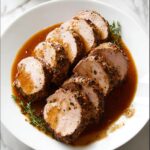
Roasted Pork Tenderloin with Garlic and Herb Pan Sauce Recipe
- Prep Time: 10 minutes
- Cook Time: 30 minutes
- Total Time: 40 minutes
- Yield: 6 servings
- Category: Main Dish
- Method: Roasting
- Cuisine: American
Description
This Roasted Pork Tenderloin recipe delivers a perfectly seared and juicy pork tenderloin infused with aromatic herbs and a rich pan sauce made from white wine, garlic, onion, and beef broth. Using a cast iron skillet allows for a beautiful crust followed by roasting in the oven to ensure tender and flavorful results. The pork is rested to lock in juices, resulting in a succulent and elegant main dish perfect for any occasion.
Ingredients
Meat and Seasoning
- 2 lbs. pork tenderloin (trimmed)
- 1 teaspoon salt
- 1 teaspoon dried rosemary
- 1 teaspoon dried oregano
- 1 teaspoon dried thyme
- 1/4 teaspoon ground sage
- 1/4 teaspoon paprika
- 1/4 teaspoon black pepper
Cooking and Flavoring
- 1–2 tablespoons olive oil
- ½ cup dry white wine
- 2 tablespoons butter
- 1 ½ cups beef broth
- 5 cloves garlic, peeled and smashed
- 1 yellow onion, thickly sliced
- 3 sprigs fresh thyme (optional)
Instructions
- Prepare skillet and oven: Use a cast iron skillet if possible for optimal searing and oven safety. Preheat your oven to 400° F.
- Season the pork: Combine salt, dried rosemary, oregano, thyme, ground sage, paprika, and pepper in a small bowl. Pat the pork tenderloin dry and rub the seasoning mixture evenly over its entire surface.
- Heat oil and sear pork: Heat olive oil in the skillet over medium-high heat until very hot so the pork sizzles upon contact. Add the pork and sear on all sides until golden brown, about 6 minutes total.
- Set pork aside and prepare sauce base: Remove pork from skillet and set it on a plate. Turn off the heat briefly to let the skillet cool slightly for one minute.
- Deglaze and build pan sauce: Turn heat back on to medium and pour in white wine. Add butter, beef broth, smashed garlic cloves, sliced onions, and fresh thyme if using. Use a silicone spatula to scrape up browned bits from the skillet bottom. Bring to a boil and reduce the liquid for about 5 minutes. Remove from heat and let cool for 2 minutes.
- Roast the pork: Return the pork along with any juices from the plate to the skillet. Place skillet uncovered in the oven and roast for 13–15 minutes depending on tenderloin thickness (thinner cuts 13 minutes, thicker 15 minutes).
- Baste and rest: Remove skillet from oven and spoon some pan sauce over the pork. Let the pork rest uncovered in the skillet for 10 minutes to lock in juices and allow internal temperature to rise.
- Check doneness: Verify the thickest part of the pork reaches an internal temperature of 145° F with a meat thermometer. The pork should be light pink and juicy. If needed, return to oven briefly to finish cooking.
- Slice and serve: Cut the pork into ¾-inch slices. Drizzle with the pan sauce before serving.
- Serving suggestion: Serve alongside garlic butter pasta or creamy mashed potatoes for a complete meal.
Notes
- Use a cast iron skillet if possible as it provides great searing and is oven safe. If your skillet is not oven safe, transfer the pork and pan sauce to an oven safe dish before roasting.
- The weight of pork tenderloin should be around 2 pounds to serve approximately 6 people.
- Dry white wine helps deglaze the pan and adds flavor to the pan sauce. Good options include Sauvignon Blanc or Pinot Grigio.
- Resting the pork for 10 minutes after roasting is crucial to keep it juicy and allow proper temperature rise.
- For a thicker gravy, strain the pan sauce and simmer it down further or add a cornstarch slurry to thicken.