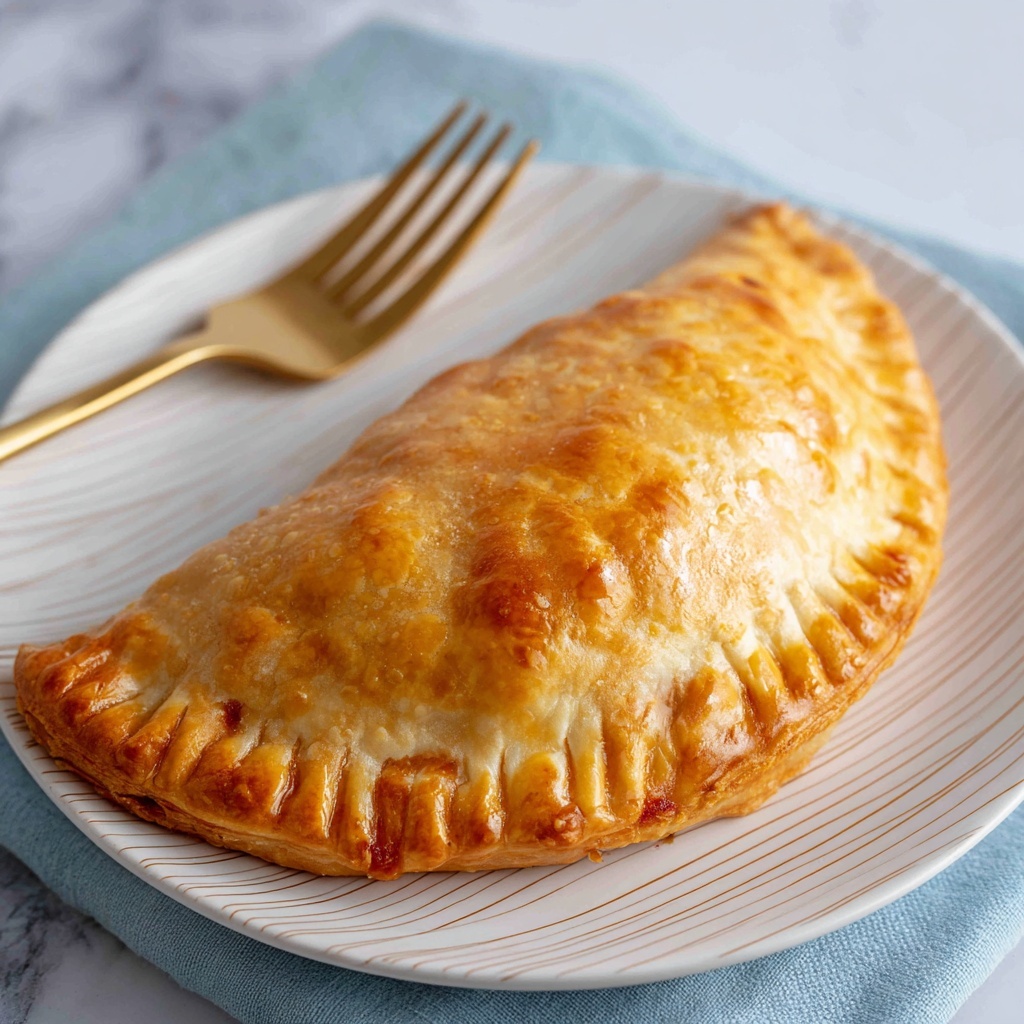
If you’ve ever wanted to master a truly comforting and hearty British classic, you’re in the right place with this Classic Beef and Root Vegetable Pasty Recipe. Imagine tender cubes of skirt steak mingling with earthy root vegetables, all wrapped snugly in a buttery, flaky crust that you can hold in your hand. This recipe is a perfect marriage of simple ingredients and traditional technique, delivering a meal that’s both satisfying and soul-warming. Whether it’s lunch on the go or a cozy dinner, these pasties hit every note of savory delight you hope for. Let me walk you through everything you need to know to create this classic dish that’s just bursting with flavor!
Ingredients You’ll Need
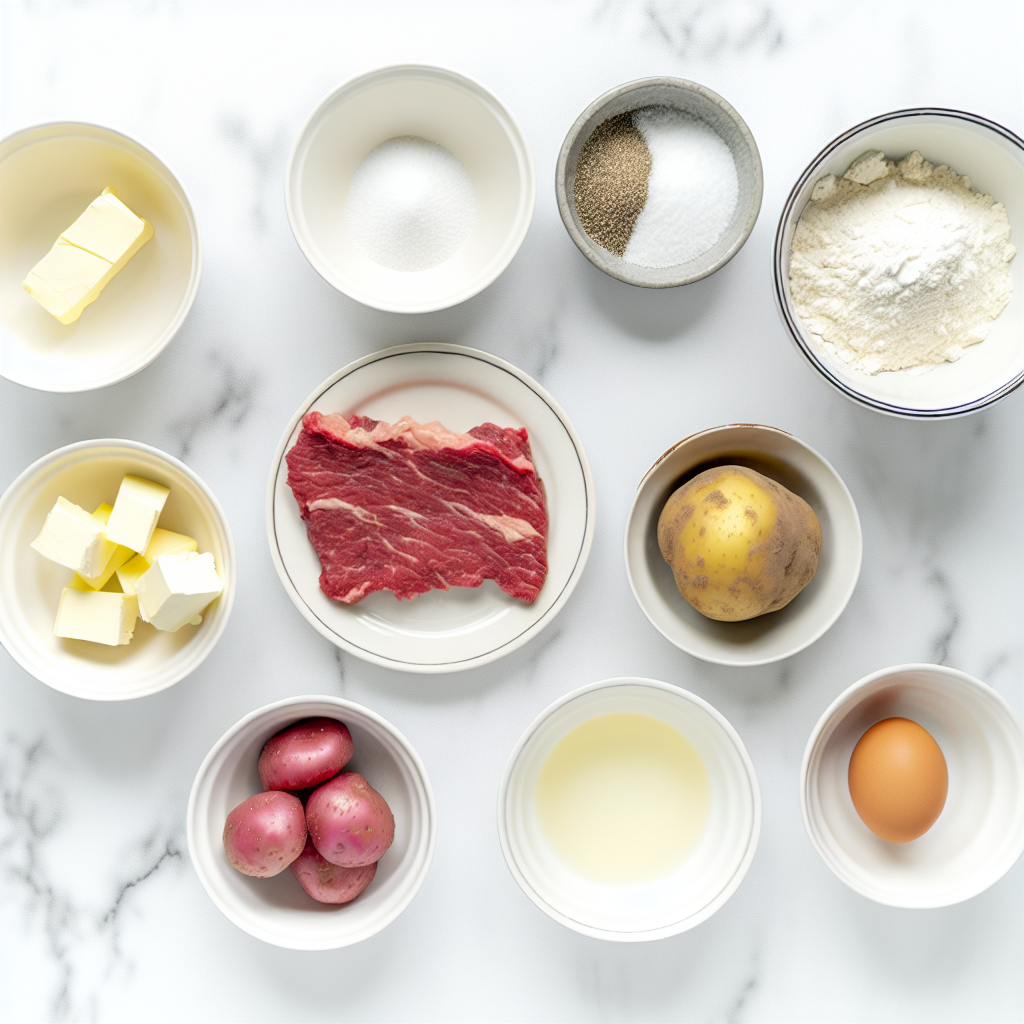
The beauty of this recipe lies in its reliance on staple ingredients that you might already have in your kitchen. Each one plays a crucial role—rich butter and shortening create that luscious pastry, while the high-protein flour ensures it bakes up beautifully and holds all the juicy filling without falling apart. The mix of skirt steak and a trio of root vegetables—the potato, rutabaga, and onion—adds layers of texture and natural sweetness, all enhanced with classic seasoning.
- Unsalted butter (8 tablespoons or 1 stick): Provides richness and flakiness to the pastry crust.
- Vegetable shortening (1/4 cup): Helps create a tender, flaky texture in the pastry dough.
- High protein all-purpose flour (8 1/2 ounces): Gives structure and chew to the pastry so it holds up perfectly.
- Kosher salt (2 1/2 teaspoons total, divided): Enhances flavor in both the dough and filling.
- Cold whole buttermilk (1/4 cup): Adds moisture and tenderizes the dough for a delicate crumb.
- Iced water (1 to 3 tablespoons): Used sparingly to bring the dough together just right.
- Skirt steak (10 ounces): The main protein, providing deep, beefy flavor and succulent texture.
- Waxy potato (1 medium, about 7 ounces): Offers creaminess and texture inside the filling.
- Yellow onion (1 small, about 5 ounces): Adds a subtle sweetness and moisture to balance the beef.
- Rutabaga (1/4 small, about 6 ounces): Brings an earthy sweetness and vibrant color contrast.
- Freshly ground black pepper (1 3/4 teaspoons): Adds a gentle warmth and complexity to the filling.
- Large egg (1) and water (2 teaspoons): Whisked together as an egg wash to give the pasties a golden, glossy finish.
How to Make Classic Beef and Root Vegetable Pasty Recipe
Step 1: Prepare the Pastry Dough
This is where the magic begins. Cut the unsalted butter and vegetable shortening into small pieces and give them a quick chill in the freezer—this helps you create that prized flaky texture. Then, pulse these chilled fats with the flour and some salt until you get coarse breadcrumbs. Slowly add cold buttermilk and icy water while processing so the dough just comes together without becoming sticky. This careful balance yields a tender, firm dough ready to be rolled out.
Step 2: Chill and Prep the Dough and Steak
After turning the dough onto a floured surface and kneading it until smooth, wrap it in plastic and refrigerate for at least an hour. Meanwhile, the skirt steak goes into the freezer to firm up, which makes dicing easier and helps maintain its texture in the filling. The dough and meat chilling are both critical steps to creating a perfectly textured pasty.
Step 3: Dice the Steak and Vegetables
Trim any excess fat or sinew from your steak before cutting it into uniform 1/4-inch cubes. Then chop the potato and rutabaga into similar-sized pieces and finely dice the onion. Keeping everything roughly the same size allows for the filling to cook evenly and gives you that perfect bite with every mouthful.
Step 4: Season the Filling
Combine the steak, diced root vegetables, and onion in a bowl and season generously with kosher salt and freshly ground black pepper. Toss everything well to ensure every piece is evenly coated—this mix of seasoning is what really makes those flavors pop inside the pastry shell.
Step 5: Roll Out and Cut the Dough Rounds
Divide the dough into four equal parts. Roll each ball into a circle roughly 7 1/2 inches wide, then trim to a perfect round using a plate as your guide. Keep these dough rounds chilled while you fill them so they’re firm and easier to handle as you assemble your pasties.
Step 6: Fill and Seal the Pasties
Spoon about 3/4 cup of the steak and vegetable filling onto the center of each dough round. Lightly brush the edges with an egg wash, then fold the dough over to create a semi-circle. Carefully press the edges to seal tightly, making sure none of the juicy filling escapes during baking. You can crimp the edges with a rope effect or simply press with a fork—both give a rustic charm and ensure a secure seal.
Step 7: Bake to Golden Perfection
Place the pasties on a parchment-lined baking sheet and brush them all over with egg wash to encourage that dreamy golden crust. Bake at 375℉, starting with a quick 10-minute blast, then check for leaks and reseal if needed. Continue baking until the pasties develop a deep golden-brown crust, about 50 minutes more. When they come out of the oven, let them cool just slightly before serving to let those wonderful juices settle inside.
How to Serve Classic Beef and Root Vegetable Pasty Recipe
Garnishes
While these pasties are delicious on their own, a sprinkle of freshly chopped parsley or a few dashes of flaky sea salt just before serving can elevate the flavors. A dollop of tangy mustard or a side of brown sauce also pairs beautifully for dipping, adding a little extra zing.
Side Dishes
Classic pasties are wonderfully versatile. Serve them alongside a crisp green salad dressed lightly with vinaigrette for a fresh contrast, or a steaming bowl of hearty vegetable soup to make a full, comforting meal. Roasted root vegetables or a simple coleslaw can balance out the richness and round out your plate.
Creative Ways to Present
For a fun twist, slice the pasties into wedges and serve on a wooden board as a shareable appetizer. They also make fantastic picnic fare, wrapped up and kept warm in a cloth napkin. Another idea is to serve them with a side of creamy horseradish sauce for an unexpected kick that complements the beef beautifully.
Make Ahead and Storage
Storing Leftovers
Leftover pasties can be stored in an airtight container in the refrigerator for up to three days. Keep them wrapped well to maintain moisture without making the pastry soggy. They’re perfect for quick lunches or snacks during the week.
Freezing
These pasties freeze wonderfully. After baking and cooling completely, wrap each in plastic wrap followed by foil or place in a freezer bag. They keep well for up to two months, making them a perfect make-ahead meal for busy days.
Reheating
To reheat, place frozen or refrigerated pasties on a baking sheet and warm in a 350℉ oven until heated through and the crust regains its crispness, around 15-20 minutes for refrigerated or 30 minutes for frozen. Avoid microwaving if you want to keep that lovely flaky texture intact.
FAQs
Can I substitute another cut of beef in this Classic Beef and Root Vegetable Pasty Recipe?
Yes, you can use other tender cuts like sirloin, but skirt steak is ideal for its flavor and texture. If you choose a leaner cut, be mindful to not overcook to avoid dryness.
Is it possible to make this recipe gluten-free?
Traditional pasties rely on all-purpose flour, but you can experiment with gluten-free flour blends designed for pastry. The texture may vary slightly, but it’s a great modification for those with gluten sensitivities.
Can I prepare the pasties entirely ahead of time and bake later?
Absolutely! You can assemble the pasties, keep them covered and chilled in the fridge, and bake them within 24 hours. Just bring to room temperature for 15 minutes before baking for even cooking.
What can I substitute if I don’t have rutabaga?
If rutabaga isn’t available, turnip or parsnip can be used. Both have a similar texture and mildly sweet flavor that complements the filling nicely.
How do I get the pastry to be flaky and not tough?
Keeping the butter and shortening cold and not overworking the dough are keys to flaky pastry. Also, chilling the dough before rolling helps relax gluten and keeps things tender and flaky when baked.
Final Thoughts
There’s something incredibly satisfying about biting into a warm pasty filled with tender beef and perfectly cooked root vegetables, all encased in a buttery crust. This Classic Beef and Root Vegetable Pasty Recipe is a wonderful way to connect with traditional cooking while enjoying flavors that feel timeless and comforting. I hope you give it a try soon, because once you do, it’s sure to become one of your favorite go-to meals just like it is for me!
Print
Classic Beef and Root Vegetable Pasty Recipe
- Prep Time: 30 minutes
- Cook Time: 1 hour
- Total Time: 1 hour 30 minutes
- Yield: 4 pasties
- Category: Main Dish
- Method: Baking
- Cuisine: British
Description
This classic pasty recipe combines a flaky, buttery crust with a savory filling of skirt steak, potatoes, onion, and rutabaga seasoned with salt and black pepper. The dough is made from scratch using a blend of butter, vegetable shortening, high-protein all-purpose flour, and buttermilk for a tender texture. The filling is diced and mixed before being wrapped in rounds of dough and baked to a deep golden-brown perfection. Perfect as a hearty meal or snack, these pasties are delicious served hot, warm, or at room temperature.
Ingredients
Dough Ingredients
- 8 tablespoons (1 stick) unsalted butter, cut into 1/2-inch pieces
- 1/4 cup vegetable shortening, cut into 1/2-inch pieces
- 8 1/2 ounces high protein all-purpose flour (about 1 1/2 cups), plus more for dusting
- 2 1/2 teaspoons kosher salt, divided
- 1/4 cup cold whole buttermilk
- 1 to 3 tablespoons iced water
Filling Ingredients
- 10 ounces skirt steak
- 1 medium waxy potato (7 ounces), such as red or Yukon Gold, peeled and diced
- 1 small yellow onion (5 ounces), finely diced
- 1/4 small rutabaga (6 ounces), peeled and diced
- 1 3/4 teaspoons freshly ground black pepper
Additional Ingredients
- 1 large egg
- 2 teaspoons water
Instructions
- Prepare dough ingredients: Cut the butter and shortening into rough 1/2-inch pieces and freeze for 15 minutes. Transfer to a food processor with flour and 3/4 teaspoon kosher salt, then process until coarse breadcrumbs form. Slowly add cold buttermilk and 1 tablespoon ice water in increments until dough forms a moist ball.
- Knead and chill dough: Turn the dough onto a floured surface and knead for 3 minutes until smooth. Shape into a ball, wrap airtight, and refrigerate for at least 1 hour or overnight. Freeze skirt steak wrapped in plastic for 30 minutes before use.
- Prepare filling: Trim and cut steak into 1/4-inch cubes and place in a bowl. Add peeled and diced potato, rutabaga, and finely diced onion to the bowl. Refrigerate until ready.
- Preheat oven and prepare baking sheet: Position rack in middle of oven and preheat to 375℉. Line rimmed baking sheet with parchment paper.
- Roll and cut dough rounds: On a floured surface, divide dough into 4 pieces. Roll each piece out to a round just over 7 1/2 inches wide, about 1/8 to 1/4 inch thick. Cut rounds using a 7 1/2-inch plate as a guide. Refrigerate dough rounds covered with plastic wrap.
- Season filling: Season the steak and vegetable mixture with remaining kosher salt and black pepper. Toss to coat evenly.
- Assemble pasties: Beat egg with water to make egg wash. Place about 3/4 cup filling in the center of each dough round. Lightly brush edges with egg wash. Fold dough over filling to form a half-moon and seal edges evenly, tucking filling back in as needed.
- Crimp edges: Crimp the sealed edges with a rope effect by folding and pressing in sections along the curved edge to form a tight seal. Alternatively, pinch edges or press with fork tines. Refrigerate assembled pasties on a plate.
- Egg wash and bake: Transfer pasties to the baking sheet. Brush all over with egg wash, making sure to brush the crimped edges thoroughly.
- Bake pasties: Bake for 10 minutes initially, check for leaks, reseal if necessary. Continue baking until deep golden brown, about 50 minutes more. Let cool for 5 minutes on baking sheet before serving.
Notes
- The dough can be refrigerated overnight to develop flavor and make handling easier.
- Freezing the steak before cutting helps achieve uniform cubes and easier handling.
- Use a waxy potato like Yukon Gold or red potato for better texture in the filling.
- Be sure to seal the edges tightly to prevent leaking during baking.
- The pasties can be served hot, warm, or at room temperature, making them versatile for meal prep and picnics.