
If you’re craving a dish that bursts with vibrant flavors and wholesome goodness, this Coconut Curry Vegetables Recipe is exactly what you need. It’s a delightful, colorful medley of fresh vegetables gently simmered in rich, creamy coconut milk infused with fragrant spices. Whether you’re vegan, gluten-free, or just looking for a tasty, comforting meal, this recipe balances warmth, spice, and freshness effortlessly. Each spoonful invites you to experience a harmony of textures and a tantalizing dance of tastes that make weeknight dinners feel truly special.
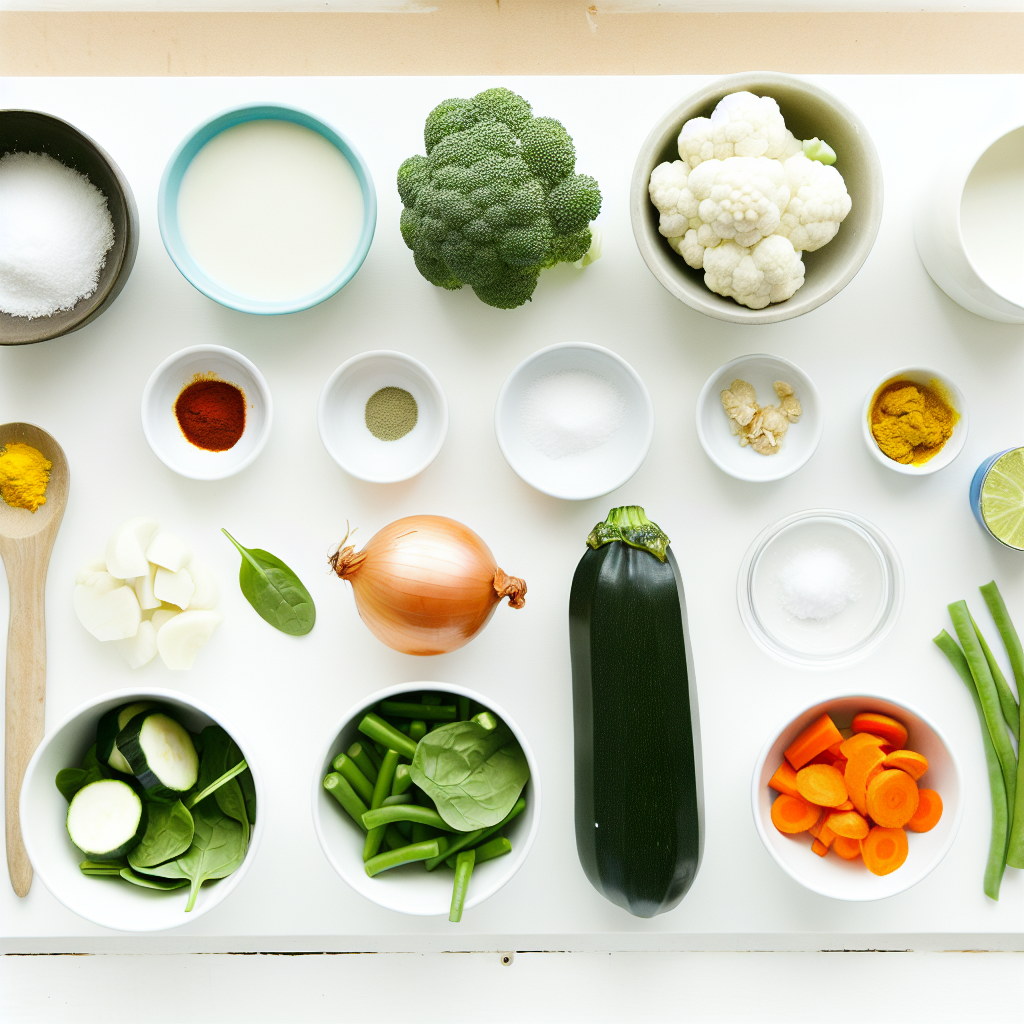
Ingredients You’ll Need
Simple and fresh ingredients are what make this recipe shine, each adding a unique layer of flavor, texture, or color. The list is straightforward yet essential to creating that perfect balance in your curry.
- Coconut oil: Adds a subtle tropical flavor and helps sauté vegetables beautifully.
- Small onion, diced: Provides a savory, slightly sweet base to the curry.
- Garlic cloves, minced: Infuses the dish with aromatic depth and warmth.
- Fresh ginger, grated: Brings a bright, zingy spice that livens up the curry.
- Red or yellow curry paste: The flavorful heart of the dish offering heat and exotic spice blend.
- Ground turmeric: Gives the curry its golden hue and earthy undertone.
- Salt: Essential for enhancing all the flavors.
- Full-fat coconut milk (14-ounce can): Creates a rich and creamy sauce with a hint of sweetness.
- Vegetable broth or water: Adds moisture and helps simmer the vegetables perfectly.
- Cauliflower florets: Offers a mild and tender texture to soak up curry flavors.
- Sliced carrots: Adds natural sweetness and a satisfying crunch.
- Green beans, trimmed: Introduces freshness and a subtle snap.
- Red bell pepper, sliced: Brings vibrant color and gentle sweetness.
- Zucchini, sliced into half-moons: Melts into the curry with a tender bite.
- Baby spinach or kale: Loads of leafy green nutrition, added just at the end to wilt perfectly.
- Juice of 1/2 lime: Balances richness with a bright citrus zing.
- Chopped cilantro (optional): A fresh herbaceous finish that enhances aroma and taste.
How to Make Coconut Curry Vegetables Recipe
Step 1: Sauté the Aromatics
Start by heating the coconut oil in a large skillet or Dutch oven over medium heat. Add the diced onion and sauté it until it softens and turns translucent, usually about 2 to 3 minutes. Next, toss in the minced garlic and freshly grated ginger, allowing them to cook for just a minute more until they fill your kitchen with an irresistible fragrant warmth. This step sets the flavorful foundation for your entire curry.
Step 2: Build the Curry Base
Now it’s time to bring in the curry magic. Stir in the curry paste with ground turmeric and salt, cooking everything together for about a minute. This step lets the spices blossom and coat the aromatics, creating a rich, inviting base. Pour in the full-fat coconut milk and vegetable broth, stirring everything until they’re well combined into a luscious, creamy sauce.
Step 3: Simmer the Heart of the Dish
Gently add the cauliflower florets, sliced carrots, green beans, and red bell pepper to the pot. Bring the mix to a simmer, cover it, and let the vegetables cook for 10 to 12 minutes until tender but not mushy. Watching these veggies transform and absorb the curry flavors is truly satisfying and gives the dish its vibrant texture.
Step 4: Add the Finishing Touches
Uncover the pot and stir in the zucchini slices, allowing them to cook uncovered for about 3 to 4 minutes so they maintain a delicate bite. Then toss in your choice of baby spinach or kale and squeeze in the juice of half a lime. Cook just until the greens wilt, keeping everything fresh and lively. Give the curry a final taste and adjust salt or lime juice as needed for the perfect balance.
How to Serve Coconut Curry Vegetables Recipe
Garnishes
Fresh chopped cilantro sprinkled on top adds a punch of herbaceous brightness that complements the creamy curry beautifully. If you love a little extra kick, you can serve it with thinly sliced fresh chili or a drizzle of coconut cream for added richness.
Side Dishes
This curry shines when paired with fluffy jasmine rice or fragrant basmati rice that soaks up every bit of the sauce. You can also serve it over noodles or with warm naan for a comforting meal that feels like a warm hug on your plate.
Creative Ways to Present
For a fun twist, consider serving the curry in hollowed-out bell peppers or atop baked sweet potatoes. Another lovely presentation idea is layering it over a grain bowl with quinoa, roasted chickpeas, and avocado slices, making it a vibrant feast for both eyes and taste buds.
Make Ahead and Storage
Storing Leftovers
Leftover Coconut Curry Vegetables Recipe keeps well in the fridge for up to 4 days. Store it in an airtight container to preserve the fresh, vibrant flavors and prevent the curry from absorbing other fridge odors.
Freezing
You can freeze your curry in individual portions for up to 2 months. Use freezer-safe containers or heavy-duty freezer bags. Just remember that the texture of some vegetables like zucchini and spinach may soften after freezing, but the flavors will remain delicious.
Reheating
To reheat, gently warm the curry on the stovetop over low to medium heat, stirring occasionally to ensure it heats evenly. If it thickens too much, add a splash of water or vegetable broth to loosen the sauce and revive that creamy texture you love.
FAQs
Can I use different vegetables for the Coconut Curry Vegetables Recipe?
Absolutely! This recipe is super versatile. Vegetables like sweet potatoes, mushrooms, broccoli, or even peas work wonderfully and let you tailor the dish to your taste or what’s in season.
Is this recipe suitable for a vegan diet?
Yes, this Coconut Curry Vegetables Recipe is fully vegan and gluten-free. It’s packed with plant-based goodness and uses coconut milk instead of dairy, making it perfect for those with dietary preferences.
How spicy is the curry with red or yellow curry paste?
The spice level depends on the curry paste brand you use. Generally, red curry paste tends to be spicier than yellow. You can adjust the amount to suit your heat preference or mellow it by adding a touch more coconut milk.
Can I add protein to this dish?
Definitely! Adding chickpeas, tofu, or tempeh is a great way to boost protein and make the meal more filling. Just add these ingredients early enough so they can absorb the curry flavors.
What’s the best way to reheat leftovers without losing flavor?
Reheat gently on the stove, stirring occasionally and adding a splash of broth or water to keep the sauce creamy. Avoid overheating, which can dull the vibrant flavors and texture of the vegetables.
Final Thoughts
I genuinely hope you give this Coconut Curry Vegetables Recipe a try soon. It’s one of those dishes that warms your soul and delights your palate, balanced with spices, fresh vegetables, and creamy coconut milk. Perfect for any night when you want something wholesome, comforting, and bursting with flavor. Enjoy cooking and savor every bite!
Print
Coconut Curry Vegetables Recipe
- Prep Time: 15 minutes
- Cook Time: 20 minutes
- Total Time: 35 minutes
- Yield: 4 servings
- Category: Main Course
- Method: Stovetop
- Cuisine: Thai-Inspired
- Diet: Vegan, Gluten Free
Description
A vibrant and flavorful Coconut Curry Vegetables recipe that combines a variety of fresh vegetables with aromatic spices and creamy coconut milk. This Thai-inspired vegan and gluten-free dish is perfect for a wholesome main course that’s easy to prepare on the stovetop, delivering comforting, nutritious, and colorful curry in under 40 minutes.
Ingredients
Vegetables
- 2 cups cauliflower florets
- 1 cup sliced carrots
- 1 cup green beans, trimmed
- 1 red bell pepper, sliced
- 1 zucchini, sliced into half-moons
- 1 cup baby spinach or kale
Spices & Seasonings
- 2 tablespoons red or yellow curry paste
- 1 teaspoon ground turmeric
- 1/2 teaspoon salt
- juice of 1/2 lime
- chopped cilantro for garnish (optional)
Other Ingredients
- 1 tablespoon coconut oil
- 1 small onion, diced
- 2 garlic cloves, minced
- 1 tablespoon fresh ginger, grated
- 1 (14-ounce) can full-fat coconut milk
- 1/2 cup vegetable broth or water
Instructions
- Heat the oil and sauté onion: In a large skillet or Dutch oven, warm 1 tablespoon of coconut oil over medium heat. Add the diced onion and sauté for 2 to 3 minutes until softened and translucent, creating a flavorful base for the curry.
- Add garlic and ginger: Stir in 2 minced garlic cloves and 1 tablespoon grated fresh ginger. Cook for about 1 minute until fragrant, enhancing the aromatic profile.
- Mix in spices and curry paste: Add 2 tablespoons of red or yellow curry paste, 1 teaspoon ground turmeric, and 1/2 teaspoon salt. Cook for an additional 1 minute while stirring to meld the spices with the aromatics.
- Add liquids: Pour in one 14-ounce can of full-fat coconut milk and 1/2 cup vegetable broth or water. Stir thoroughly to combine all ingredients into a rich, creamy sauce.
- Simmer vegetables: Add 2 cups cauliflower florets, 1 cup sliced carrots, 1 cup trimmed green beans, and 1 sliced red bell pepper to the skillet. Bring the mixture to a simmer, cover the pot, and cook for 10 to 12 minutes until the vegetables are tender but retain some texture.
- Add zucchini and continue cooking: Stir in 1 sliced zucchini and cook uncovered for another 3 to 4 minutes to soften without overcooking.
- Finish with greens and lime juice: Add 1 cup baby spinach or kale and the juice of half a lime. Cook just until the greens wilt, preserving their vibrant color and nutrients.
- Adjust seasoning and serve: Taste the curry and add more salt or lime juice if desired. Serve hot over rice or noodles, garnished with fresh chopped cilantro if preferred.
Notes
- Customize with your favorite vegetables like sweet potato, mushrooms, or broccoli for variation.
- For extra protein, add chickpeas or tofu to make it more filling.
- Store leftovers in an airtight container in the refrigerator for up to 4 days.