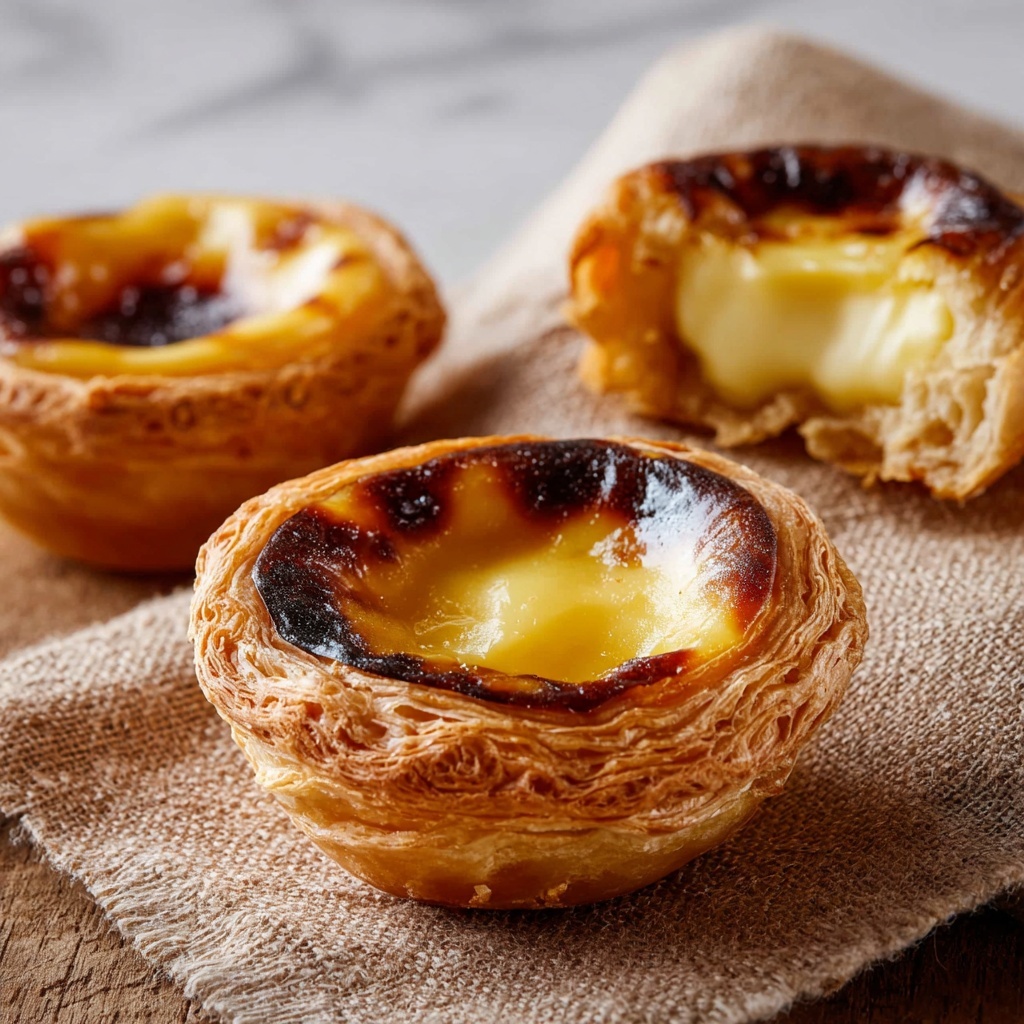
If you have a soft spot for desserts that boast a flaky crust with a luscious, creamy center, you are in for an absolute treat. The Pastéis de Nata (Portuguese Custard Tarts) Recipe captures the magic of traditional Portuguese baking, combining crisp puff pastry with sweet, silky egg custard bursting with warm hints of cinnamon and zesty lemon. It’s a beautiful blend of textures and flavors that never fails to bring joy, whether enjoyed warm straight from the oven or at room temperature with a sprinkle of cinnamon sugar. Let’s dive into this beloved classic that’s as comforting as it is indulgent.
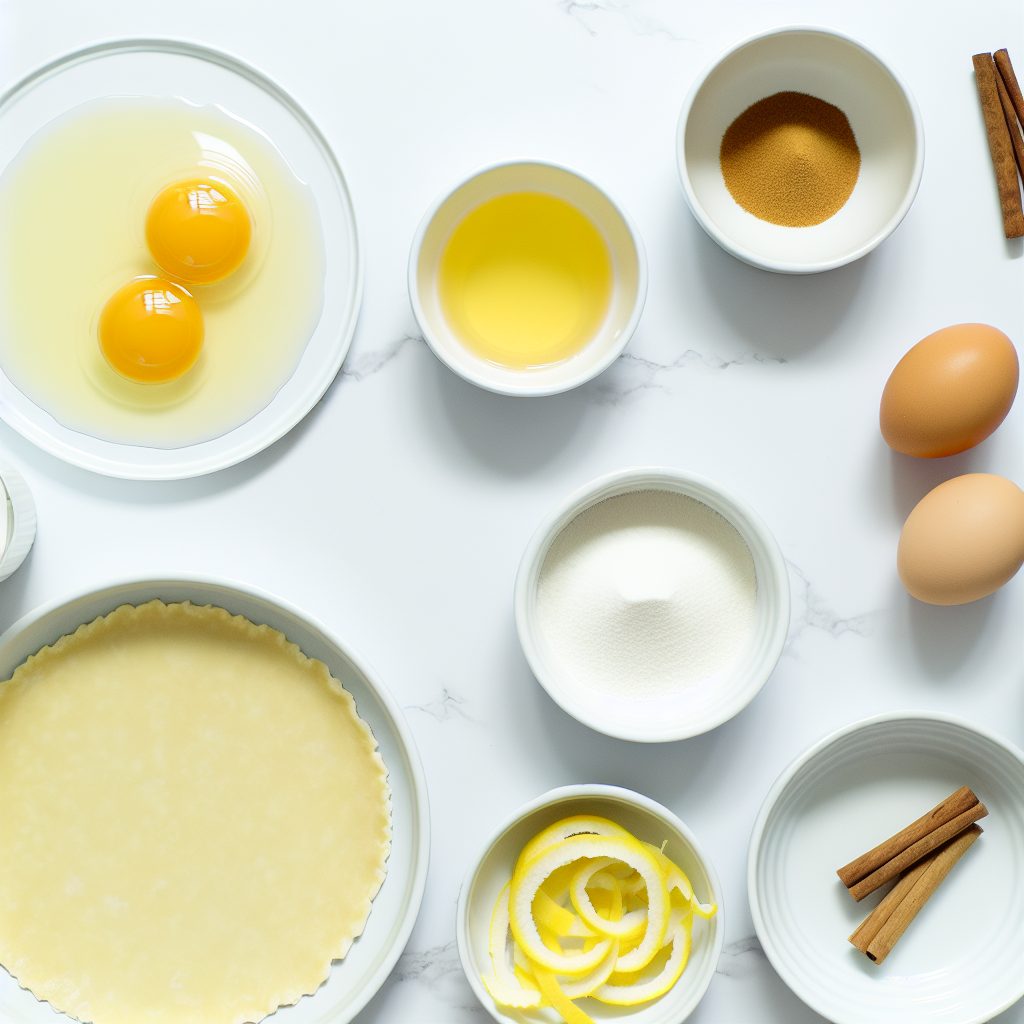
Ingredients You’ll Need
This Pastéis de Nata (Portuguese Custard Tarts) Recipe calls for simple, straightforward ingredients, each playing a crucial role in creating that perfect balance of crispness, creaminess, and aroma. From the buttery puff pastry that provides flaky layers to the vibrant lemon peel and cinnamon that elevate the custard’s flavor, every component matters.
- 1 sheet puff pastry, thawed: The foundation for those beautifully flaky tart cases.
- 1 cup whole milk: Adds richness and creaminess to the custard.
- 1 tablespoon all-purpose flour: Helps thicken the milk for a silky smooth filling.
- ¾ cup granulated sugar: Sweetens the custard just right without overpowering.
- ⅓ cup water: Combines with sugar to create a delicate syrup that blends into the custard.
- 1 cinnamon stick: Infuses warm, spiced notes that define the classic flavor.
- Peel of 1 lemon (in wide strips): Brightens the custard with citrusy freshness.
- 6 large egg yolks: The star ingredient lending richness and that creamy custard texture.
How to Make Pastéis de Nata (Portuguese Custard Tarts) Recipe
Step 1: Preparing the Puff Pastry Shells
Start by preheating your oven to 500°F (260°C) or the highest temperature it safely allows—that intense heat is key to producing those signature crisp, caramelized edges. Lightly grease a 12-cup muffin tin so your tarts won’t stick. On a lightly floured surface, roll the puff pastry sheet into a tight log from the short end. Then, slice into 12 equal pieces. Place each piece cut-side down into the muffin wells and gently press with your thumbs, stretching and shaping the dough to cover the bottom and sides evenly, creating a thin, delicate shell. Pop the whole tray into the fridge to chill while you get the custard ready.
Step 2: Making the Milk Mixture
In a small saucepan, whisk together the flour and whole milk; this combination will thicken nicely as you cook it over medium heat. Stir continuously for about 2 to 3 minutes until it just begins to thicken—this ensures your custard will be creamy without lumps. Once thickened, remove it from the heat and set aside to cool slightly.
Step 3: Preparing the Sugar Syrup
Meanwhile, combine the sugar, water, cinnamon stick, and lemon peels in another saucepan and bring this mixture to a boil without stirring. Let it bubble vigorously for one full minute before removing the pot from the heat. Carefully discard the cinnamon stick and lemon strips to keep just the infused syrup, which will add depth and warmth to the custard.
Step 4: Combining the Custard
Whisk the egg yolks in a bowl until smooth, then slowly pour in the warm milk mixture while continuously whisking to temper and combine everything beautifully. Next, pour in the warm sugar syrup, mixing gently to blend. To achieve that perfect silky texture, strain the custard mixture through a fine-mesh sieve, removing any film or bits that could impact the smooth finish of your tarts.
Step 5: Baking the Tarts
Pour the custard gently into the chilled pastry shells, filling each one about three-quarters full to allow just enough room for bubbling and browning in the oven. Bake the tarts at your high oven temperature for 12 to 15 minutes until the tops develop a gorgeous golden hue with tempting dark caramel spots and the pastry turns crisp and flaky. Once baked, let them cool in the pan for 5 minutes before transferring to a wire rack. Serve warm or at room temperature, optionally dusted with powdered sugar and a sprinkle of cinnamon for that final flourish.
How to Serve Pastéis de Nata (Portuguese Custard Tarts) Recipe
Garnishes
Simple garnishes elevate these delightful tarts without overshadowing their classic flavor. Dusting Pastéis de Nata (Portuguese Custard Tarts) Recipe with powdered sugar and a pinch of ground cinnamon adds a hint of sweetness and sparkle that looks inviting and tastes divine. Fresh lemon zest can be a bright twist if you want a little extra zing on top.
Side Dishes
These custard tarts shine best when paired with cozy accompaniments. A cup of strong espresso or a freshly brewed Portuguese coffee provides a beautiful bitter counterpoint to the sweet richness of the tarts. For a more indulgent pairing, serve alongside a dollop of whipped cream or fresh berries which add color and a refreshing burst.
Creative Ways to Present
Thinking beyond muffin tins? Present Pastéis de Nata (Portuguese Custard Tarts) Recipe on rustic wooden boards sprinkled with cinnamon or powdered sugar for an inviting bakery-style feel. You can also try topping individual tarts with a thin slice of caramelized apple or a drizzle of honey for a modern twist that guests will love. It’s all about making these little golden treats look as tempting as they taste.
Make Ahead and Storage
Storing Leftovers
If you happen to have leftovers—and trust me, it’s hard not to—store Pastéis de Nata (Portuguese Custard Tarts) Recipe in an airtight container in the refrigerator for up to 2 days. This keeps the custard fresh and the pastry from absorbing unwanted fridge odors, although the crust may soften slightly over time.
Freezing
While freezing these tarts is not traditionally recommended due to their crisp pastry, you can freeze the unbaked pastry shells separately for up to one month. After baking, the custard’s delicate texture doesn’t always thaw well. For best results, bake fresh after freezing the shells to enjoy that iconic crunchy base.
Reheating
The best way to reheat your Pastéis de Nata (Portuguese Custard Tarts) Recipe is in a preheated oven at 350°F (175°C) for about 5 to 7 minutes. This revives the flakiness of the pastry and gently warms the custard without curdling it. Avoid microwaving as it can lead to soggy pastry and an unpleasant texture.
FAQs
Can I use store-bought puff pastry for Pastéis de Nata?
Absolutely! Using high-quality store-bought puff pastry is a great time-saver and works wonderfully to achieve those flaky, buttery layers needed for authentic-tasting Pastéis de Nata (Portuguese Custard Tarts) Recipe.
Why is the oven temperature so high?
The very high baking temperature is key to creating those signature caramelized spots on top and the crisp, golden pastry. It mimics the traditional Portuguese wood-fired ovens, giving the tarts their perfect texture and flavor.
Can I make the custard dairy-free?
For a dairy-free version, you could experiment with almond or oat milk, but keep in mind the texture and flavor may slightly differ from the classic rich custard in Pastéis de Nata (Portuguese Custard Tarts) Recipe.
How do I prevent the custard from curdling?
Tempering the eggs by slowly adding the warm milk mixture while whisking constantly helps prevent curdling. Also, baking at a high temperature for a short time ensures the custard sets properly without overheating.
Is it necessary to strain the custard mixture?
Straining guarantees a silky smooth custard, removing any lumps or bits of cooked egg. It’s a small step that makes a big difference in the luscious texture of your Pastéis de Nata (Portuguese Custard Tarts) Recipe.
Final Thoughts
There is something truly magical about biting into a warm Pastéis de Nata (Portuguese Custard Tarts) Recipe, where crisp, buttery pastry meets indulgent, velvety custard infused with bright citrus and comforting spices. This recipe invites you to bring a slice of Lisbon’s charm into your kitchen with just a handful of simple ingredients. Whether it’s for a special occasion or a weekend treat, baking these golden tarts will fill your home with irresistible aromas and your heart with satisfaction. I hope you enjoy making and savoring them as much as I do!
Print
Pastéis de Nata (Portuguese Custard Tarts) Recipe
- Prep Time: 25 minutes
- Cook Time: 15 minutes
- Total Time: 40 minutes
- Yield: 12 tarts
- Category: Dessert
- Method: Baking
- Cuisine: Portuguese
- Diet: Vegetarian
Description
Pastéis de Nata are traditional Portuguese custard tarts featuring a crisp, flaky puff pastry shell filled with a rich, creamy egg custard. Baked at high heat to achieve caramelized tops and a tender texture, these delightful desserts are perfect served warm or at room temperature.
Ingredients
Pastry
- 1 sheet puff pastry, thawed
Custard Filling
- 1 cup whole milk
- 1 tablespoon all-purpose flour
- ¾ cup granulated sugar
- ⅓ cup water
- 1 cinnamon stick
- Peel of 1 lemon (in wide strips)
- 6 large egg yolks
Instructions
- Preheat the oven and prepare the muffin tin: Preheat your oven to 500°F (260°C) or the highest temperature your oven safely allows. Grease a 12-cup muffin tin thoroughly to prevent sticking.
- Form the tart shells: On a lightly floured surface, roll the thawed puff pastry sheet into a tight log starting from the short end. Slice this log into 12 equal pieces. Place each piece cut-side down into the muffin cups, then use your thumbs to press and stretch the dough upwards and outwards, forming thin and even tart shells. Chill the shells in the refrigerator while you prepare the custard filling.
- Make the milk-flour mixture: In a small saucepan, whisk the all-purpose flour into the whole milk until smooth. Cook over medium heat, stirring constantly to prevent lumps, until the mixture thickens slightly, approximately 2 to 3 minutes. Remove from heat and set aside.
- Prepare the sugar syrup: In another saucepan, combine granulated sugar, water, cinnamon stick, and lemon peel. Bring the mixture to a boil without stirring, then allow it to boil for 1 minute. Remove from heat, then discard the cinnamon stick and lemon peel to avoid bitterness.
- Combine custard ingredients: In a mixing bowl, whisk the egg yolks until smooth. Gradually add the warm milk-flour mixture while whisking, followed by the warm sugar syrup. Strain the combined custard through a fine mesh sieve to ensure a smooth, lump-free filling.
- Fill and bake the tarts: Pour the custard filling into the chilled pastry shells, filling each tart about three-quarters full to allow for slight expansion. Bake in the preheated oven for 12 to 15 minutes, or until the custard tops are golden with distinctive dark caramelized spots and the pastry is crisp.
- Cool and serve: Allow the tarts to cool in the muffin tin for 5 minutes before transferring them to a wire rack to cool completely. Serve the Pastéis de Nata warm or at room temperature, optionally dusted with powdered sugar and cinnamon to enhance flavor.
Notes
- Best enjoyed fresh on the day they are baked for optimal crispness and flavor.
- Store leftovers in the refrigerator for up to 2 days.
- Reheat leftover tarts in the oven to restore the crisp texture before serving.