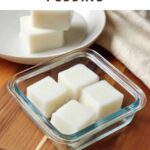
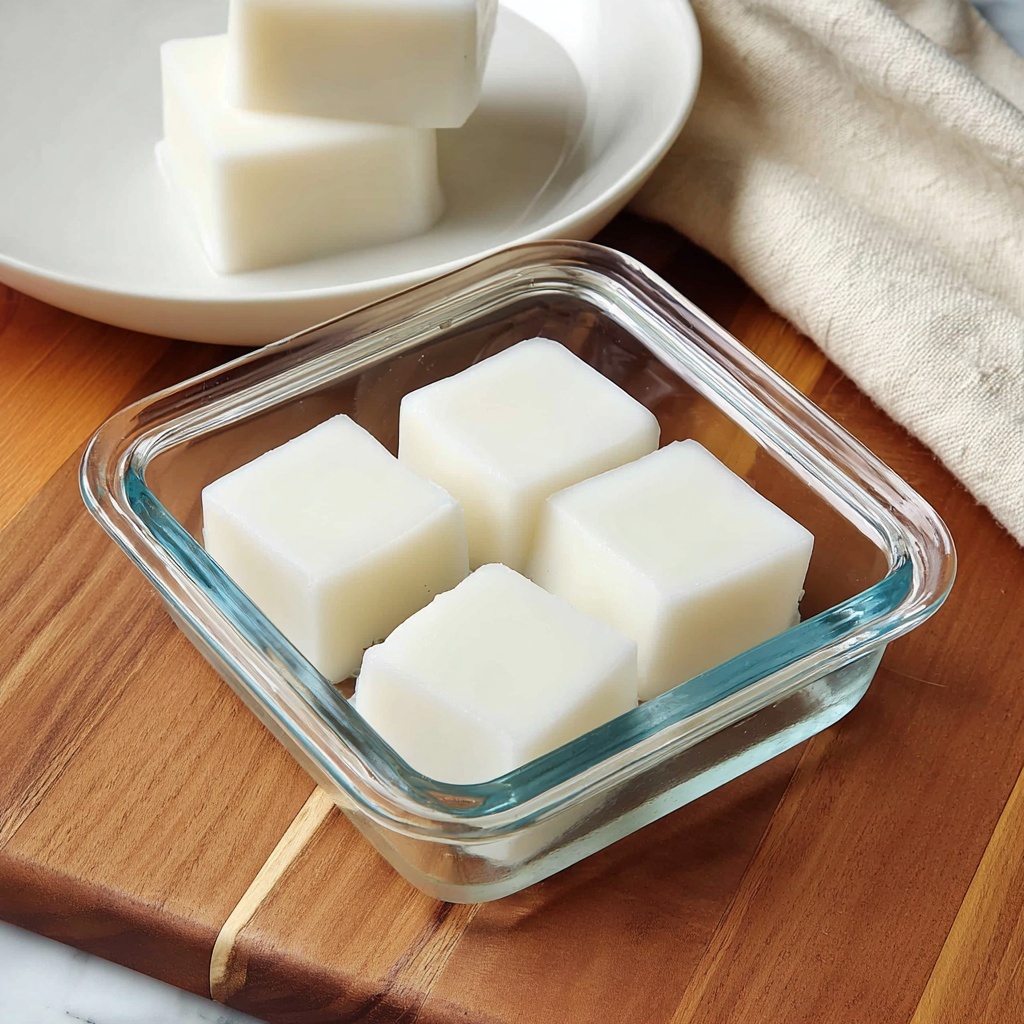
If you are craving a luscious, silky dessert that feels like a tropical vacation in every bite, this Chinese Coconut Pudding Recipe is your go-to treat. It’s a delicately sweet, creamy pudding bursting with the rich flavor of coconut, perfectly balanced by a hint of almond extract. What makes this dessert so magical is its wonderfully smooth texture and how it sets just firmly enough to hold its shape while melting gently on the tongue. Whether you’re entertaining friends or just want to pamper yourself, this pudding brings a refreshing, exotic flair to your dessert table with minimal fuss and maximum delight.
Ingredients You’ll Need
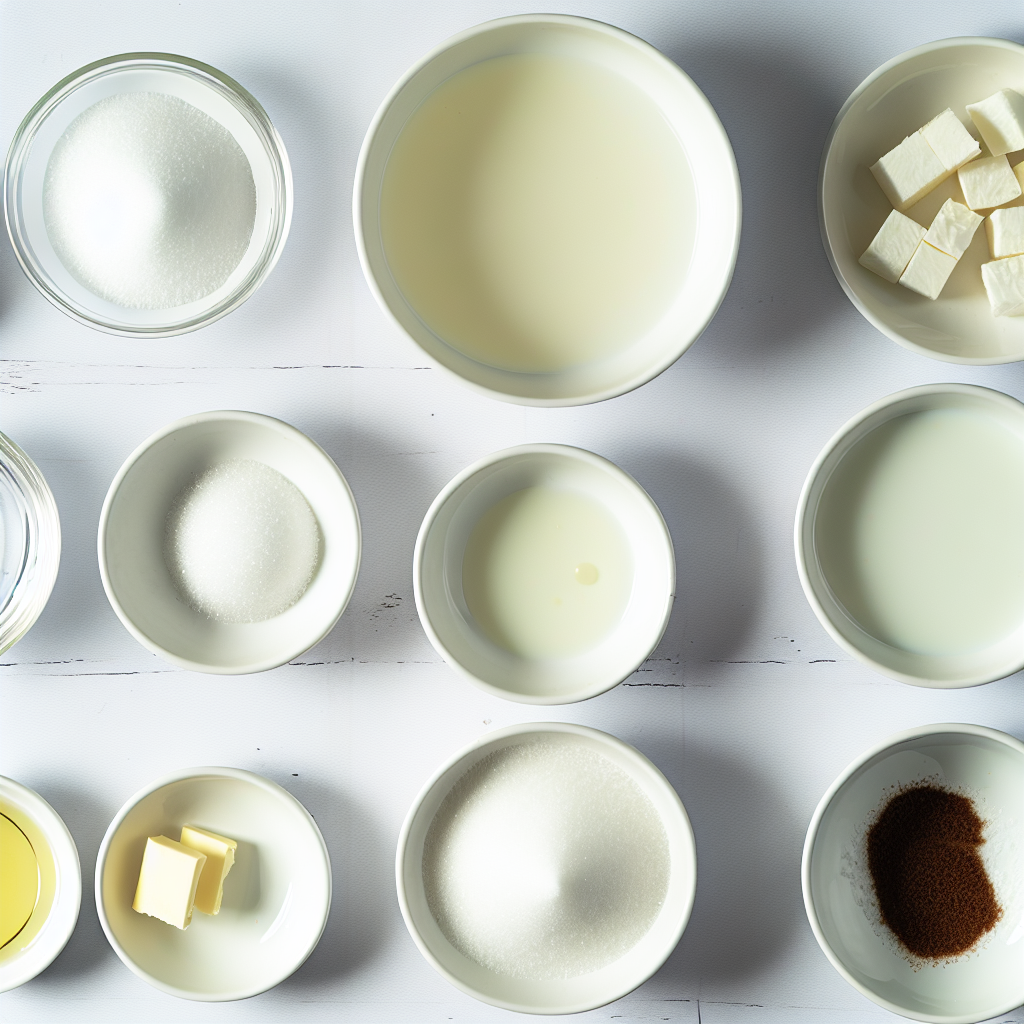
The beauty of this Chinese Coconut Pudding Recipe lies in its simplicity. The ingredients are few but thoughtfully chosen to create that signature creamy and velvety texture. Each component plays a crucial role, from the gelatin that gives the pudding its perfect consistency to the coconut milk, which provides smooth richness and a subtle tropical aroma.
- Sugar: Adds the perfect sweetness to balance the coconut’s natural richness.
- Gelatin: Ensures the pudding sets just right – firm but tender; adjust amount for preferred softness.
- Boiling Water: Essential for dissolving the gelatin perfectly for a smooth finish.
- Milk: Adds creaminess that blends seamlessly with coconut milk for luscious texture.
- Coconut Milk (full-fat): The star ingredient delivering rich, tropical flavors and creaminess.
- Almond Extract (optional): A delicate flavor enhancer that complements coconut beautifully.
How to Make Chinese Coconut Pudding Recipe
Step 1: Dissolve the Sugar and Gelatin
Start by whisking the sugar into boiling water until completely dissolved. This step is critical to avoid any graininess in your pudding. Once the sugar has fully dissolved, stir in the gelatin and mix it thoroughly. Let this magic mixture sit for two minutes to ensure the gelatin fully blooms, setting the stage for that perfect pudding texture.
Step 2: Combine Milk and Coconut Milk
Next, gently stir in the milk followed by the coconut milk. This gradual mixing helps blend the liquids smoothly without lumps. Whisk everything together so the fat from the coconut milk is evenly distributed, giving your pudding that signature creamy consistency. If you’re feeling adventurous, add a half teaspoon of almond extract here. It’s optional but adds a subtle, fragrant twist that pairs so well with coconut.
Step 3: Pour into Molds or Containers
Pour the coconut mixture into your chosen mold or container. A rectangular container is fine for slicing later, but silicone molds give you those perfect shapes that look elegant and professional. If you opt for a solid container, be prepared for some knife work and the inevitable cutting marks on your pudding slices.
Step 4: Chill and Unmold
Allow the pudding to set completely in the refrigerator – patience is key here as the pudding needs that time to become firm and luscious. To release pudding from silicone molds with ease, briefly dip the mold into hot water for about 30 seconds. This warms the edges just enough so the pudding slides out effortlessly, ready to amaze everyone with its silky texture.
How to Serve Chinese Coconut Pudding Recipe
Garnishes
Enhance your Chinese Coconut Pudding Recipe by topping it with fresh tropical fruits like mango slices, kiwi, or a sprinkle of toasted coconut flakes for added texture. A drizzle of passionfruit pulp or a handful of finely chopped pistachios can also add a pop of color and complementary flavors to each creamy bite.
Side Dishes
This pudding pairs wonderfully with light, refreshing sides. Consider serving it alongside a crisp green tea or jasmine tea to cleanse the palate. If you want to keep it more indulgent, a small scoop of coconut or vanilla ice cream can beautifully mirror the pudding’s creamy profile.
Creative Ways to Present
Think beyond the classic serving dish by showcasing this recipe in clear glasses or layered parfait cups with bits of crushed lychee or tapioca pearls for added visual interest. You can also create bite-sized pudding cubes for elegant party appetizers that guests can enjoy without utensils.
Make Ahead and Storage
Storing Leftovers
Once your Chinese Coconut Pudding Recipe is set, store any leftovers covered in the refrigerator for up to three days. Keeping it covered prevents the pudding from absorbing other fridge odors and maintains its creamy texture.
Freezing
Freezing is not recommended for this pudding since gelatin-based desserts can lose their smooth consistency and become grainy after thawing. It’s best enjoyed fresh or refrigerated.
Reheating
This pudding is best served chilled and does not require reheating. If you prefer it slightly less cold, simply let it sit at room temperature for 10 to 15 minutes before serving to soften the texture.
FAQs
Can I use agar-agar instead of gelatin?
Yes, agar-agar can be used as a vegetarian alternative. However, the texture may be slightly different—agar tends to make a firmer, less creamy pudding, so adjust the quantity according to the package instructions.
Is almond extract necessary?
Not at all! Almond extract is optional but highly recommended if you enjoy a subtle nutty aroma that beautifully complements coconut. You can skip it without compromising the overall deliciousness.
Can I use light coconut milk?
You can, but full-fat coconut milk creates a richer and creamier pudding. Using light coconut milk might produce a thinner texture and less intense flavor.
How long does it take for the pudding to set?
Usually, it needs at least 4 hours in the fridge to set properly. For best results, refrigerate overnight to achieve the perfect firm but tender texture.
Can I make this pudding vegan?
To make it vegan, substitute gelatin with agar-agar and use a plant-based milk in place of dairy milk. Keep in mind the setting times and texture might differ slightly.
Final Thoughts
I absolutely encourage you to give this Chinese Coconut Pudding Recipe a try. It brings such a delightful, tropical touch to your dessert repertoire without a complicated process or hard-to-find ingredients. Whether you want a relaxing nightcap dessert or a charming dish for guests, this pudding will quickly become a beloved favorite that feels like a small, delicious escape in every bite.
Print
Chinese Coconut Pudding Recipe
- Prep Time: 250 minutes
- Cook Time: 0 minutes
- Total Time: 250 minutes
- Yield: 6 servings
- Category: Dessert
- Method: No-Cook
- Cuisine: Chinese
Description
This Chinese Coconut Pudding is a silky, refreshing dessert that combines the creamy richness of coconut milk with a hint of almond extract. It’s a no-cook pudding that sets firm thanks to gelatin, perfect for warm days or when you want a light, tropical-inspired treat. The recipe yields a delicately flavored, smooth pudding that can be molded into beautiful shapes using silicone molds or served in ramekins.
Ingredients
Main Ingredients
- 1/2 cup sugar
- 3 tablespoons gelatin (for a firm pudding; use 2 tablespoons if you prefer it softer)
- 1 cup boiling water
- 1 cup milk
- 1 can coconut milk (14oz/400mL can; full-fat coconut milk)
- 1/2 teaspoon almond extract (optional)
Instructions
- Dissolve sugar and gelatin: In a large bowl, whisk the sugar into 1 cup of boiling water until fully dissolved. Stir in the gelatin thoroughly and allow the mixture to rest for 2 minutes to ensure all gelatin is completely dissolved.
- Add milks and flavor: Stir in the milk first, followed by the coconut milk. Whisk the mixture well to evenly distribute the coconut fat. Optionally, add 1/2 teaspoon almond extract for a complementary nutty flavor.
- Pour into molds: Transfer the pudding mixture into a rectangular container, silicone molds, or ramekins. Silicone molds are recommended if you want clean, perfect shapes without needing to cut the set pudding.
- Set and unmold: Refrigerate the pudding until firm (approximately 4 hours or until set). To release the pudding from silicone molds, briefly submerge the mold in hot water for about 30 seconds, then gently pop out the pudding.
Notes
- For a softer pudding texture, reduce gelatin to 2 tablespoons.
- Full-fat coconut milk contributes to a rich and creamy texture; using light coconut milk will result in a lighter pudding.
- Almond extract is optional but enhances the coconut flavor beautifully.
- Ensure the gelatin is fully dissolved to avoid grainy texture.
- Keep the pudding refrigerated until serving for best texture and freshness.
- Use silicone molds for easy unmolding and visually appealing shapes.