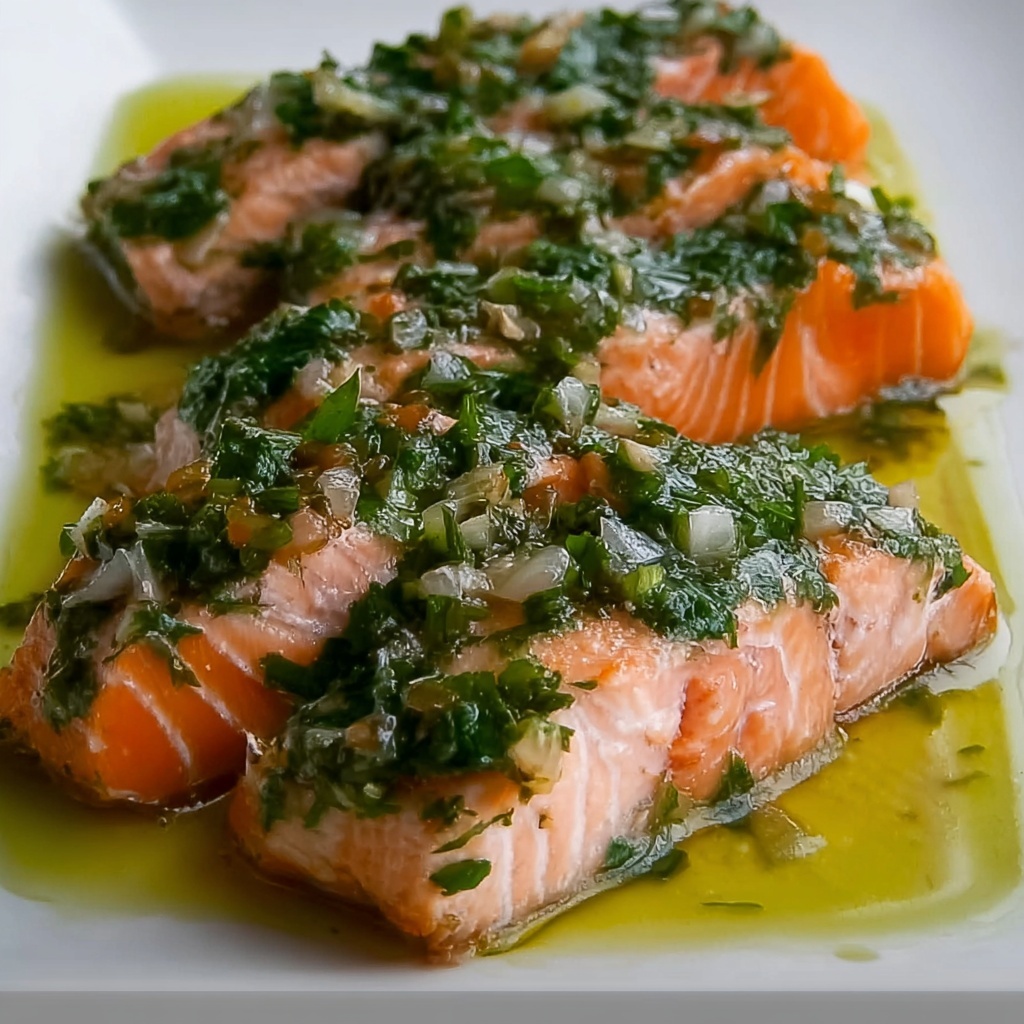
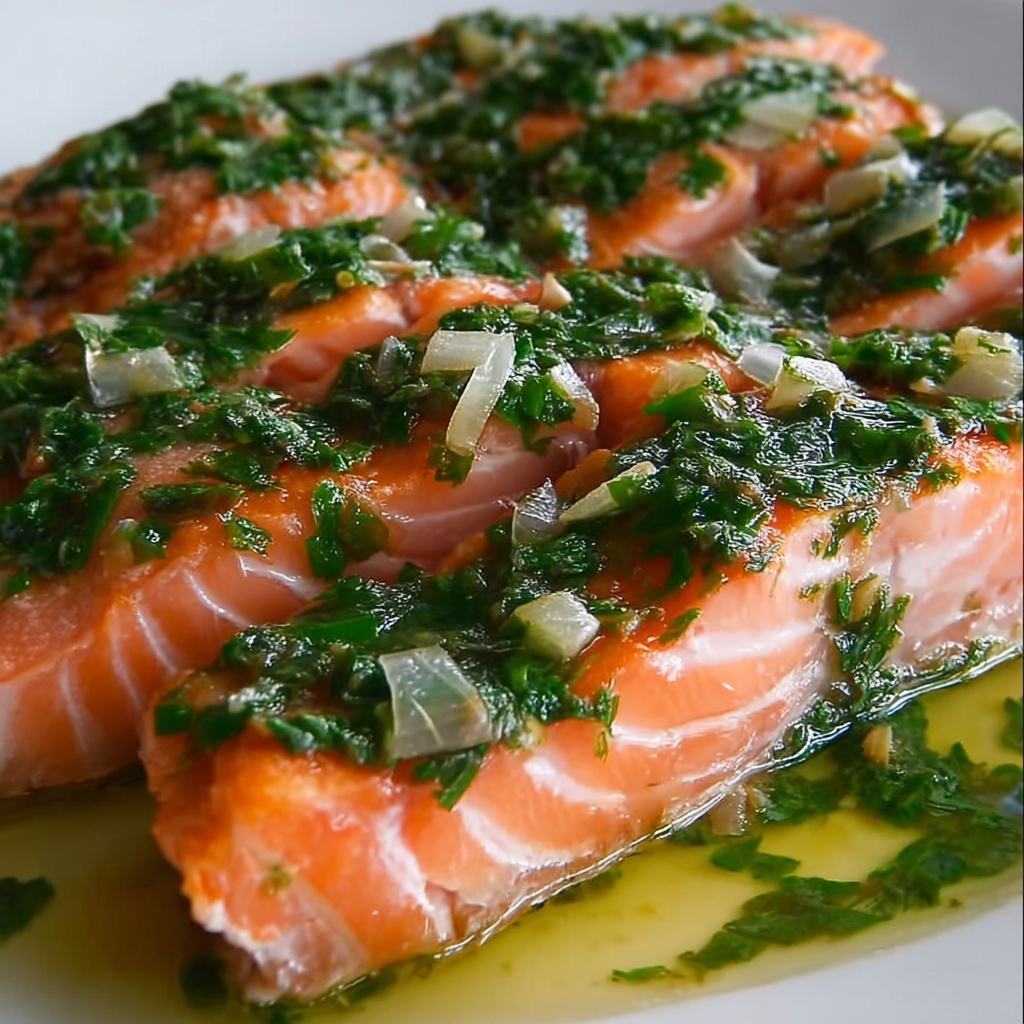
Discover the delightful simplicity and elegance of the Olive Oil Poached Salmon with Herb Vinaigrette Recipe, a dish that transforms everyday ingredients into a memorable meal. The gentle poaching technique envelops the salmon in rich extra virgin olive oil, ensuring a tender, juicy texture, while the fresh herb vinaigrette adds a vibrant, zesty finish that sings with every bite. This recipe perfectly balances comfort and sophistication, making it a go-to for both casual dinners and special occasions.
Ingredients You’ll Need
Each ingredient in this recipe plays a crucial role in building depth of flavor, texture, and visual appeal. The beauty lies in their simplicity, yet together they create a dish that feels lavish and fresh.
- 4 salmon fillets (6 ounces each, skinless): Choose fresh, high-quality salmon for the best flavor and texture.
- 2 cups extra virgin olive oil: This is the heart of the poaching liquid, gently cooking the salmon while infusing it with subtle richness.
- 3 garlic cloves, smashed: Adds a fragrant warmth that quietly enhances the olive oil base.
- 1 lemon, sliced: Brightens the poaching oil with a clean citrus note, balancing the richness.
- 1 teaspoon salt: Essential for seasoning and drawing out the salmon’s natural flavors.
- 1/2 teaspoon black pepper: Adds a touch of gentle heat without overpowering the dish.
- 1 cup fresh parsley, finely chopped: Fresh parsley gifts a lively herbal freshness to the vinaigrette.
- 2 tablespoons fresh dill, chopped: Dill brings a classic, slightly sweet, and grassy flavor perfect for seafood.
- 2 tablespoons fresh chives, chopped: Chives add a mild oniony punch that complements the herbs beautifully.
- 1 tablespoon Dijon mustard: Adds a subtle tang and helps emulsify the vinaigrette.
- 2 tablespoons red wine vinegar: Provides acidity for balance and brightness.
- 1/3 cup olive oil: Boosts the vinaigrette with smooth texture and healthy fats.
- 1 teaspoon honey: Offers a hint of sweetness to counterbalance the vinegar.
- 1 small shallot, finely minced: Adds delicate sharpness and texture to the vinaigrette.
- 1/4 teaspoon salt: Perfectly seasons the herb vinaigrette.
- 1/4 teaspoon black pepper: Finishes the vinaigrette with a mild kick.
How to Make Olive Oil Poached Salmon with Herb Vinaigrette Recipe
Step 1: Prepare the Salmon for Poaching
Begin by placing your salmon fillets in a medium saucepan in a single layer. Ensuring they have enough room helps achieve even cooking. Add the extra virgin olive oil carefully, followed by smashed garlic cloves, lemon slices, salt, and black pepper. This fragrant olive oil bath will gently cook the salmon while infusing it with delicate aromatics.
Step 2: Gently Poach the Salmon
Warm the olive oil mixture over low heat, using a thermometer to monitor the temperature closely. Aim for about 160°F, which is the perfect gentle heat to cook the salmon slowly and keep it moist. Maintain this temperature and let the salmon poach for 12 to 15 minutes, until it becomes opaque and just cooked through. Patience here will reward you with beautifully tender fillets.
Step 3: Whisk Together the Herb Vinaigrette
While the salmon is poaching, combine the fresh parsley, dill, chives, Dijon mustard, red wine vinegar, 1/3 cup olive oil, honey, finely minced shallot, salt, and pepper in a small bowl. Whisk it all together until smooth and vibrant. This herb vinaigrette is the highlight that adds brightness and complexity to the rich poached salmon.
Step 4: Drain and Serve
Use a slotted spoon or spatula to carefully lift the salmon from the oil and allow it to drain briefly. Serve the salmon either warm or at room temperature. Be generous with a spoonful of the herb vinaigrette on top — it’s the perfect finishing touch that brings the dish to life.
How to Serve Olive Oil Poached Salmon with Herb Vinaigrette Recipe
Garnishes
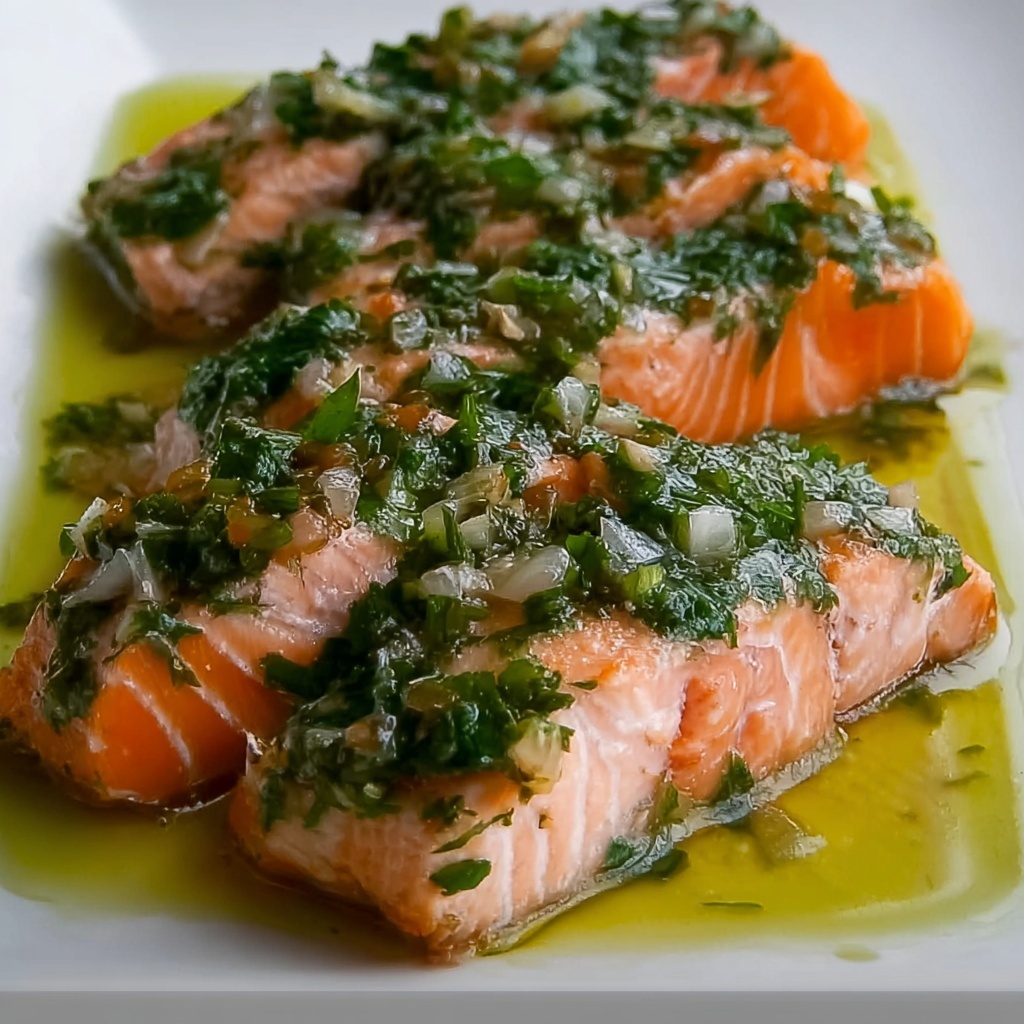
Freshness elevates this dish beautifully. Consider garnishing with extra sprigs of dill or chives, a few lemon wedges for that extra zing, or even thin slices of radish for crisp texture and color contrast. These small touches make the plate feel joyful and inviting.
Side Dishes
This salmon pairs wonderfully with light, bright sides. Think a crisp green salad with a lemon vinaigrette, roasted asparagus, or quinoa tossed with herbs. The goal is to complement the richness of the poached salmon without overshadowing it.
Creative Ways to Present
Serve the olive oil poached salmon on a rustic wooden board for a casual feel or on elegant white plates to let the vibrant colors pop. You can also flake the fish over crostini for a chic appetizer or plate it alongside your favorite Mediterranean grains for a hearty meal. The herb vinaigrette adds a fresh splash of color no matter how you present it.
Make Ahead and Storage
Storing Leftovers
Leftover salmon keeps well in the refrigerator for up to two days when stored in an airtight container. It’s a great option to enjoy cold or gently warmed over a salad or in a sandwich, making it a versatile meal for busy days.
Freezing
Salmon poached in olive oil freezes best before adding the herb vinaigrette. Wrap it tightly in plastic wrap and then foil for up to one month. Freeze the vinaigrette separately in an airtight container. Thaw both components in the refrigerator overnight before serving.
Reheating
To reheat, slow and gentle is key. Warm the salmon in a low-temperature oven or in a pan with a little of the reserved poaching oil to maintain moisture. Avoid microwaving, which can dry out the delicate fish. Add fresh herb vinaigrette right before serving to keep flavors bright.
FAQs
Can I use regular olive oil instead of extra virgin?
Extra virgin olive oil is preferred for this recipe because of its fresh, fruity flavor and higher quality. Regular olive oil may work but will lack the same depth and might taste more neutral.
Is it necessary to keep the olive oil temperature at exactly 160°F?
Keeping the olive oil around 160°F ensures gentle poaching, resulting in tender salmon. Higher temperatures risk cooking too quickly and drying out the fish, so using a thermometer makes a big difference in texture.
Can I prepare the herb vinaigrette in advance?
Absolutely! The vinaigrette can be made a day ahead to let the flavors meld beautifully. Store it refrigerated and bring it to room temperature before serving for the best taste.
What can I do with the leftover poaching olive oil?
Once cooled and strained, the olive oil makes a wonderfully flavored base for sautéing vegetables or as a dressing component for salads and grains. It’s a delicious way to reduce waste and add flavor to other dishes.
Is this recipe suitable for gluten-free diets?
Yes, the Olive Oil Poached Salmon with Herb Vinaigrette Recipe is naturally gluten-free, making it a perfect choice for those with gluten sensitivities or anyone seeking a wholesome, healthy meal.
Final Thoughts
This Olive Oil Poached Salmon with Herb Vinaigrette Recipe is one of those special dishes that feels luxurious without requiring hours in the kitchen. The silky salmon and bright herb vinaigrette together create a harmony of flavors and textures that I just adore sharing with friends and family. I encourage you to try this recipe soon — it might just become your ultimate go-to for effortless but elegant meals.
Print
Olive Oil Poached Salmon with Herb Vinaigrette Recipe
- Prep Time: 10 minutes
- Cook Time: 15 minutes
- Total Time: 25 minutes
- Yield: 4 servings
- Category: Main Course
- Method: Poaching
- Cuisine: Mediterranean
- Diet: Gluten Free
Description
This Olive Oil Poached Salmon with Herb Vinaigrette is a delicate and flavorful main course perfect for a sophisticated yet easy meal. Poaching the salmon in extra virgin olive oil infused with garlic and lemon creates tender, moist fillets, while the fresh herb vinaigrette adds a bright, zesty finishing touch. Ideal for Mediterranean cuisine lovers seeking a gluten-free, healthy protein option.
Ingredients
Salmon and Poaching Ingredients
- 4 salmon fillets, 6 ounces each, skinless
- 2 cups extra virgin olive oil
- 3 garlic cloves, smashed
- 1 lemon, sliced
- 1 teaspoon salt
- 1/2 teaspoon black pepper
Herb Vinaigrette
- 1 cup fresh parsley, finely chopped
- 2 tablespoons fresh dill, chopped
- 2 tablespoons fresh chives, chopped
- 1 tablespoon Dijon mustard
- 2 tablespoons red wine vinegar
- 1/3 cup olive oil
- 1 teaspoon honey
- 1 small shallot, finely minced
- 1/4 teaspoon salt
- 1/4 teaspoon black pepper
Instructions
- Prepare Salmon for Poaching: Place the salmon fillets in a medium saucepan in a single layer to ensure even cooking.
- Add Poaching Ingredients: Add the extra virgin olive oil, smashed garlic cloves, lemon slices, salt, and black pepper to the pan with the salmon.
- Heat Oil and Poach: Warm the oil gently over low heat until it reaches about 160°F. Maintain this temperature to poach the salmon gently for 12 to 15 minutes or until the fish is opaque and just cooked through.
- Prepare Herb Vinaigrette: While the salmon poaches, combine parsley, dill, chives, Dijon mustard, red wine vinegar, olive oil, honey, minced shallot, salt, and black pepper in a small bowl. Whisk thoroughly until the vinaigrette is emulsified and flavors meld.
- Remove and Drain Salmon: Carefully remove the salmon from the warm oil and let it drain briefly to remove excess oil.
- Serve: Plate the salmon warm or at room temperature and spoon a generous amount of the herb vinaigrette over each fillet.
Notes
- Use a thermometer to monitor the oil temperature to avoid overheating and ensure gentle poaching.
- Leftover salmon can be served chilled over a fresh salad for a delicious next-day meal.
- The poaching oil can be strained and stored once cooled to be reused for another mild-flavored dish.