
There is something undeniably magical about homemade pizza, especially when it starts with the perfect foundation. The Classic Pizza Dough Recipe I’m sharing today is a true game-changer—simple to make yet delivering that irresistible chewy texture and golden crispiness we all crave. This dough is soft, airy, and flexible enough to hold all your favorite toppings, making it an essential skill for anyone who loves pizza night at home. Trust me, once you master this recipe, you’ll never look back.
Ingredients You’ll Need
Getting the dough just right starts with a handful of incredibly simple ingredients. Each one plays a vital role in creating that perfect balance of flavor and texture, ensuring your pizza crust turns out deliciously every time.
- All-purpose flour: Provides the structure and chewiness for the dough, so choose a good-quality flour for best results.
- Active dry yeast: The magic ingredient that helps your dough rise and develop its airy texture.
- Granulated sugar: Feeds the yeast and adds a subtle sweetness that enhances flavor.
- Warm water: Activates the yeast and brings the dough ingredients together.
- Olive oil: Adds richness, moisture, and a slight fruity aroma to the dough.
- Salt: Balances the flavors and controls yeast activity, essential to perfect dough taste.
How to Make Classic Pizza Dough Recipe
Step 1: Activate the Yeast
Begin by combining warm water, sugar, and active dry yeast in a mixing bowl. Stir gently to dissolve and let it rest for 5 to 10 minutes until the mixture becomes frothy. This bubbling surface tells you the yeast is alive and ready to work its magic, which is key to a light, airy dough.
Step 2: Prepare the Dry Ingredients
While the yeast is activating, sift the all-purpose flour and salt into a separate large bowl. Sifting ensures there are no lumps and distributes the salt evenly, which will help develop gluten and enhance flavor.
Step 3: Combine Wet and Dry
Create a well in the center of your sifted flour mixture and pour in the frothy yeast mixture along with the olive oil. The olive oil enriches the dough, giving it a tender crumb and subtle flavor. Mix these ingredients together until a rough dough begins to form.
Step 4: Knead the Dough
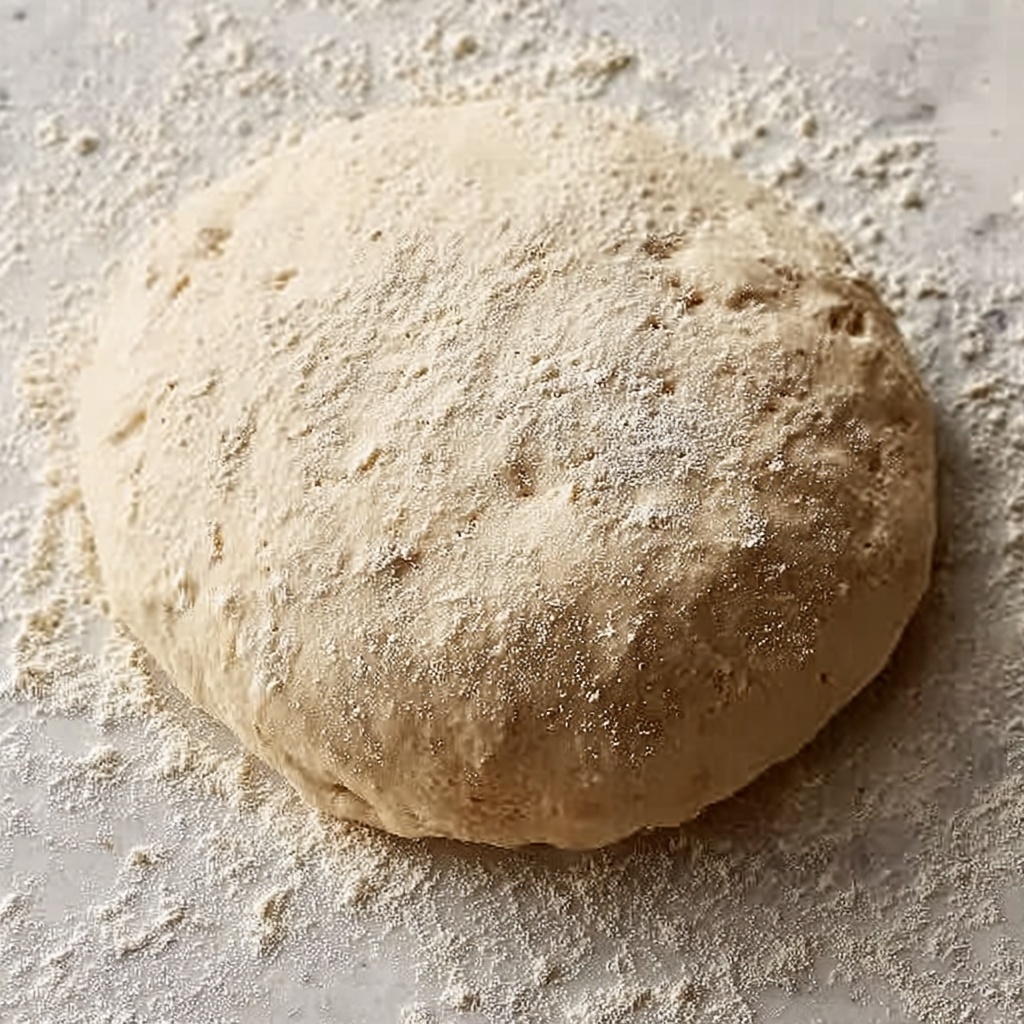
Transfer the dough to a floured surface and knead it vigorously for 8 to 10 minutes. This is where the dough transforms from shaggy to smooth and elastic, indicating gluten development. Don’t rush this step; proper kneading ensures a beautifully chewy crust.
Step 5: Let the Dough Rise
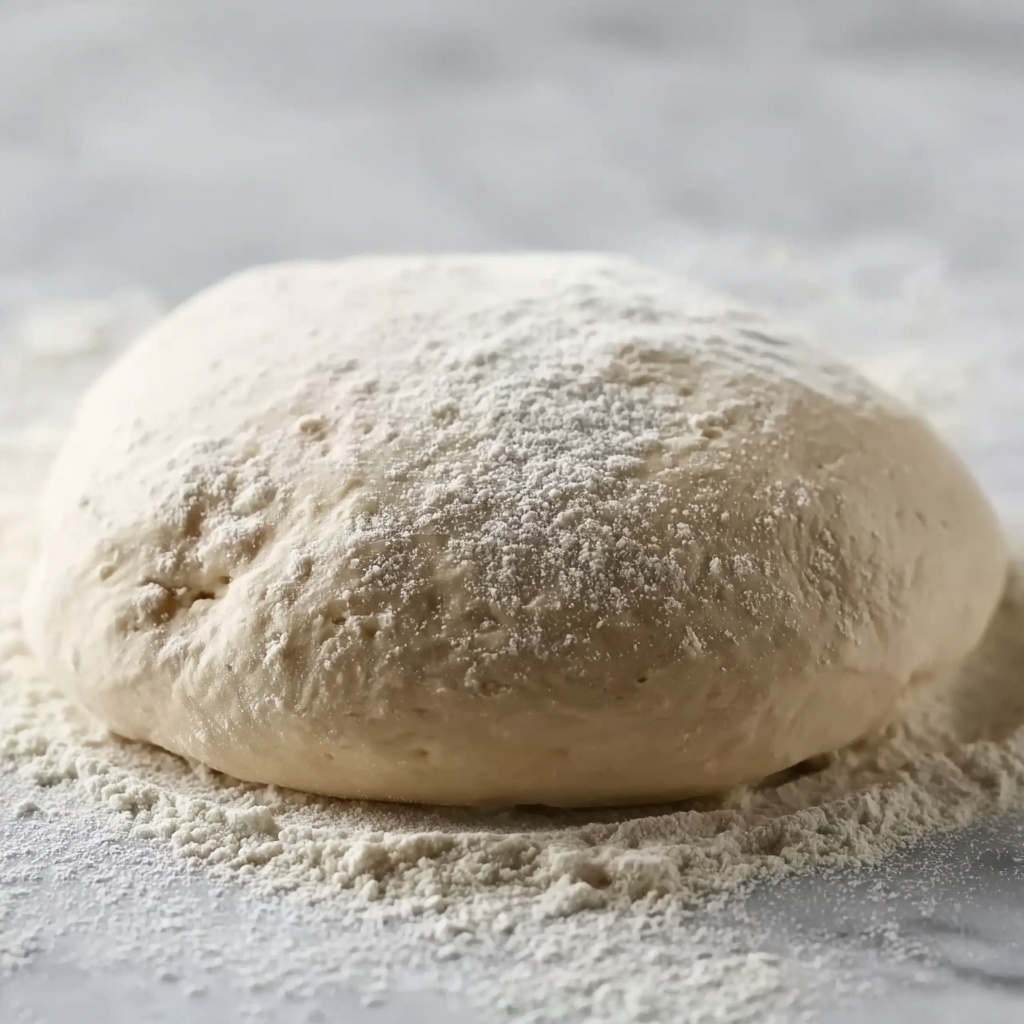
Place your kneaded dough into a lightly oiled bowl to prevent sticking, cover it with a clean kitchen towel or plastic wrap, and leave it in a warm spot for 1 to 2 hours. During this time, the dough will double in size as the yeast ferments, creating those delightful air pockets that give pizza crust its signature texture.
Step 6: Prepare for Shaping
Once the dough has risen, gently punch it down to release excess gases. Knead it briefly to redistribute the ingredients, then divide the dough into portions if you’re making more than one pizza. Roll out each piece to your desired thickness and shape, ready for your favorite toppings.
How to Serve Classic Pizza Dough Recipe
Garnishes
While the dough provides the perfect base, the garnishes elevate your pizza to new heights. Fresh basil leaves, a drizzle of extra virgin olive oil, or a sprinkle of grated Parmesan add fresh bursts of flavor just before serving. Don’t forget a touch of chili flakes if you like a bit of heat!
Side Dishes
Pizza pairs wonderfully with a crisp green salad sprinkled with lemon vinaigrette to balance the richness of the crust and toppings. Roasted garlic wings or a light Caprese salad also make excellent companions, rounding out your meal without overshadowing your star dough.
Creative Ways to Present
Take your classic pizza dough to the next level by crafting personal-sized pizzas for a fun and interactive dinner. You can also fold your dough into calzones stuffed with mozzarella, ricotta, and your favorite fillings for a handheld meal that’s just as satisfying. Get creative with decorative crust edges or brush your crust with garlic butter before baking for that irresistible golden glow.
Make Ahead and Storage
Storing Leftovers
If you have leftover dough after preparing your pizzas, lightly coat it with olive oil, wrap it tightly in plastic wrap, and store it in the refrigerator. The dough will remain fresh and usable for up to 3 days, perfect for quick pizza cravings.
Freezing
Your Classic Pizza Dough Recipe also freezes beautifully. After kneading, divide the dough into portions, wrap each tightly in plastic wrap and foil, and freeze for up to 3 months. When you’re ready to use it, thaw overnight in the refrigerator and let it come to room temperature before shaping.
Reheating
For leftover baked pizza, reheat in a preheated oven at 375°F (190°C) for about 8–10 minutes to restore that fresh-baked crispiness. Avoid the microwave if you want to keep the crust from becoming soggy!
FAQs
Can I use whole wheat flour instead of all-purpose flour?
Yes! You can substitute whole wheat flour for all or part of the all-purpose flour. Just note that whole wheat dough will be denser and have a nuttier flavor. You may need to adjust water amounts slightly because whole wheat absorbs more moisture.
How do I know if my yeast is still good?
If your yeast mixture bubbles and becomes frothy within 10 minutes of adding sugar and warm water, your yeast is active and good to use. No bubbles? It’s best to get fresh yeast for reliable dough rise.
Can I make the dough without olive oil?
While olive oil adds great flavor and tenderness, you can omit it in a pinch. The dough will be less rich and slightly less moist, but it will still hold together and taste delicious once baked.
How thick should I roll the dough?
This is really up to personal preference! For a traditional thin crust, roll your dough to about 1/8 inch. For thicker, chewier crusts, closer to 1/4 inch works great. Just keep in mind thicker dough needs a bit longer bake time.
Why did my dough not rise properly?
Common reasons include water that’s too hot or too cold, expired yeast, or not giving the dough enough time in a warm environment to rise. Double-check the temperature of your water and always test your yeast activation before mixing.
Final Thoughts
This Classic Pizza Dough Recipe really is the foundation for countless delicious meals and fun gatherings. There’s no better feeling than pulling a fresh, homemade pizza out of the oven, made from scratch with your own hands. Give this recipe a try, play with toppings, and enjoy the full experience of craft-your-own pizza night. I promise it will become a favorite way to bring everyone together around the table.
Print
Classic Pizza Dough Recipe
- Prep Time: 15 minutes
- Cook Time: 0 minutes
- Total Time: 1 hour 30 minutes
- Yield: 2 medium pizzas
- Category: Dough
- Method: No-Cook
- Cuisine: Italian
Description
This Classic Pizza Dough recipe yields a soft, chewy crust perfect for homemade pizzas. Using simple pantry staples like all-purpose flour, active dry yeast, and olive oil, the dough is easy to prepare and requires a rising period to develop its flavor and texture. Ideal for both beginners and experienced cooks, it provides a versatile base for your favorite pizza toppings.
Ingredients
Dry Ingredients
- 2 ¼ teaspoons active dry yeast (one 7g packet)
- 3 ½ cups all-purpose flour, sifted
- 1 teaspoon granulated sugar
- 1 teaspoon salt
Wet Ingredients
- 1 ¼ cups warm water (about 110°F/43°C)
- 2 tablespoons olive oil
Instructions
- Activate the yeast: Combine warm water, granulated sugar, and active dry yeast in a mixing bowl. Stir gently and let it sit for 5–10 minutes until the mixture becomes frothy, indicating the yeast is active.
- Prepare dry ingredients: In a separate large bowl, sift together the all-purpose flour and salt to ensure even distribution and eliminate lumps.
- Combine wet and dry: Create a well in the center of the flour mixture. Pour in the activated yeast mixture and olive oil, then begin mixing with a spoon or your hands until a rough dough forms.
- Knead the dough: Transfer the dough to a floured surface and knead it for 8–10 minutes. Work the dough until it becomes smooth, elastic, and slightly tacky but not sticky.
- First rise: Lightly oil a large bowl and place the dough inside. Cover it with a clean kitchen towel or plastic wrap and place it in a warm spot. Let it rise for 1–2 hours until it has doubled in size.
- Prepare for shaping: Punch down the risen dough to release air bubbles, knead briefly to redistribute yeast and gluten, and then divide it if making multiple pizzas. Roll out each portion to your desired thickness for pizza crust.
Notes
- Ensure the water is warm, not hot, to avoid killing the yeast.
- You can substitute bread flour for a chewier crust.
- Allowing the dough to rise longer (up to 24 hours in the fridge) can enhance flavor.
- If you prefer a thinner crust, roll the dough out more thinly before baking.
- After shaping, let the dough rest for 10 minutes before adding toppings to prevent shrinkage during baking.